This guide uses official tourism, government and transport sources. Rules and prices can change, so check the linked official pages before booking.
Slovenia compresses Alpine mountains, karst caves, forests, vineyards, historic towns and a short Adriatic coast into a small area, but that does not make it a checklist destination. Weather, trail status, rail engineering, cave rules, protected habitats and living communities determine what works on any date. These fifty experiences help first-time visitors build a coherent route, use public transport where practical, approach mountains conservatively, respect memorial and sacred sites, and spread time and spending beyond Bled and Ljubljana.
Slovenia at a glance
- Ideal first trip: 10–14 days for Ljubljana, Bled and Bohinj, the Soča or Karst region, and one coast or eastern-city chapter.
- Currency: euro; cards are common, but rural producers, huts and small services may require cash.
- Entry: Slovenia is in the Schengen Area; passport, visa and residence rules depend on nationality and status.
- Transport: rail and regional buses cover many corridors, while mountain valleys and rural attractions require exact live checks.
- Mountain rule: use current park, weather and trail information; never treat a summit as a guaranteed itinerary item.
Entry, visa and arrival planning
Use GOV.SI and the Slovenian Police for current passport, visa, Schengen and border information. Rules depend on nationality, residence, purpose and total time in the Schengen Area.
Ljubljana is the main air gateway. Venice, Trieste, Zagreb, Vienna and nearby rail routes can support open-jaw plans only when the exact cross-border service is verified.
When to go
Late spring and early autumn often balance cities, caves, vineyards and lower walks. Summer brings lake and coast pressure; winter brings snow, avalanche exposure and shorter mountain access.
Bora wind, thunderstorms, floods, heat, snow and engineering work can change an itinerary quickly. Keep one flexible day around Alpine and cross-country transfers.
Budget and places to stay
Compare live rail, bus, cave, lift, park, hotel, tourist-tax and cancellation totals. A cheap distant room can become expensive after transfers.
Caves, castles and mountain lifts may price tours, language slots, parking or transport separately. Use the official final total.
Fifty things to do in Slovenia
1. Ljubljana civic core from Prešeren Square to the river
Why go: Ljubljana. Bridges, public squares, riverfront streets and civic institutions show a compact capital shaped by repeated rebuilding.
Good for: city breaks and first-time visitors
Know before you go: Cyclists, events and working streets require attentive walking.
2. Ljubljana Castle with city-history context
Why go: Ljubljana. The hilltop complex connects fortification, urban development and landscape when visitors use the official exhibitions rather than only the viewpoint.
Good for: history, architecture and cultural travellers
Know before you go: Funicular queues, steep paths and events alter access.
3. National Museum of Slovenia by one historical question
Why go: Ljubljana. Archaeology and cultural collections establish a national chronology before regional travel.
Good for: culture, families and rainy-day travellers
Know before you go: Collections, renovations and temporary loans require priorities.
4. National Gallery of Slovenia through selected periods
Why go: Ljubljana. Slovenian and European art helps visitors recognise religious, courtly and modern references across the country.
Good for: culture, families and rainy-day travellers
Know before you go: Gallery scale and changing exhibitions reward a focused route.
5. Museum of Contemporary History with source awareness
Why go: Ljubljana. Twentieth-century political, wartime and social history provides necessary context for memorial and border sites.
Good for: culture, families and rainy-day travellers
Know before you go: Difficult material and interpretive debate require time.
6. Plečnik House and a documented architecture walk
Why go: Ljubljana. Jože Plečnik’s home and public works explain a distinctive approach to streets, bridges, markets and sacred design.
Good for: design and architecture travellers
Know before you go: Small interiors, timed access and residents around nearby works require restraint.
7. Central Market as one local-food stop
Why go: Ljubljana. Produce, dairy, prepared food and market architecture connect daily commerce with regional agriculture.
Good for: food and wine-focused travellers
Know before you go: Opening days, wet surfaces and tourist-focused stalls require comparison.
8. Metelkova with contemporary cultural context
Why go: Ljubljana. Studios, venues and street art occupy a former military complex whose present use is more nuanced than a photo stop.
Good for: city breaks and first-time visitors
Know before you go: Nightlife, events and people’s privacy require normal consent and awareness.
9. Tivoli Park and Rožnik on one low-impact route
Why go: Ljubljana. Urban parkland and a forested hill offer a realistic green break without leaving the capital.
Good for: landscape, geology and wildlife travellers
Know before you go: Mud, ticks, storms and mixed-use paths require simple preparation.
10. Škofja Loka old town and museum together
Why go: Upper Carniola. A preserved town, castle collection and river setting introduce medieval and regional life in one manageable day.
Good for: history, architecture and cultural travellers
Know before you go: Castle gradients, events and limited interiors affect access.
11. Kamnik historic centre with regional museum context
Why go: Kamnik. A small northern town provides civic, religious and craft history before Alpine travel.
Good for: city breaks and first-time visitors
Know before you go: Museum hours and bus connections require a current check.
12. Velika Planina only with safe lift and weather conditions
Why go: Kamnik-Savinja Alps. High pasture architecture and mountain culture are meaningful when reached on open, lawful routes.
Good for: prepared walkers and outdoor travellers
Know before you go: Fog, snow, storms, lift closure and livestock make casual planning unsafe.
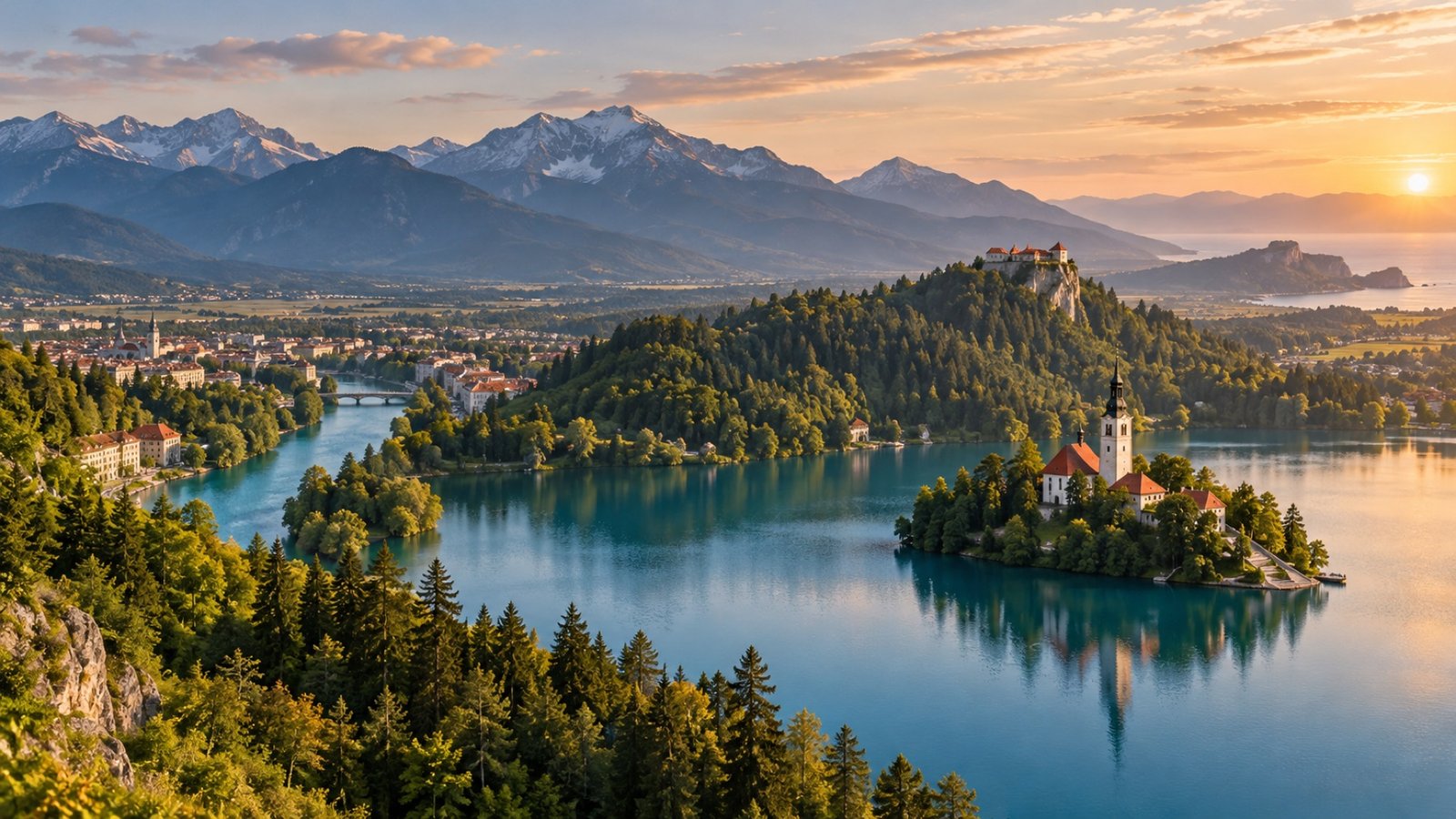
13. Lake Bled circuit before day-trip peaks
Why go: Bled. A full shoreline walk reveals settlement, wetland, rowing and tourism history beyond the famous island view.
Good for: city breaks and first-time visitors
Know before you go: Traffic, heat and crowded lakeside sections require timing.
14. Bled Castle with museum and landscape interpretation
Why go: Bled. The cliff-top complex adds regional history and topography to the lake panorama.
Good for: history, architecture and cultural travellers
Know before you go: Steep access, stairs and event closures affect the visit.
15. Vintgar Gorge on the current official route
Why go: Bled region. Boardwalks and river erosion form a striking gorge experience when entry, exit and shuttle logistics are verified.
Good for: landscape, geology and wildlife travellers
Know before you go: Flooding, ice, one-way rules and seasonal closure can invalidate old advice.
16. Radovljica old town and beekeeping heritage
Why go: Upper Carniola. A compact historic centre and apiculture collection connect craft, food and Slovenian bee culture.
Good for: culture, families and rainy-day travellers
Know before you go: Live-bee displays, allergies and seasonal hours need checking.
17. Lake Bohinj shore as a protected landscape
Why go: Triglav National Park. A glacial lake, working villages and mountain surroundings reward a slower stay within the national park.
Good for: landscape, geology and wildlife travellers
Know before you go: Water temperature, storms, parking limits and habitat rules require care.
18. Savica Waterfall only on the authorised staircase
Why go: Triglav National Park. A steep approach leads to a significant waterfall and offers a contained alternative to a summit objective.
Good for: prepared walkers and outdoor travellers
Know before you go: Wet steps, ice, crowding and closure make footwear and timing essential.
19. Mostnica Gorge and Voje Valley within ability
Why go: Triglav National Park. A marked route links gorge geology, pasture and waterfall landscapes near Bohinj.
Good for: prepared walkers and outdoor travellers
Know before you go: Slippery edges, livestock, weather and route length require conservative planning.
20. Vogel mountain viewpoint without summit pressure
Why go: Julian Alps. A cable-assisted high landscape can introduce Alpine geography without claiming a technical ascent.
Good for: landscape, geology and wildlife travellers
Know before you go: Wind, lightning, snow and lift operations control the day.
21. Triglav National Park visitor centre before outdoor plans
Why go: Bled or Bohinj. Ranger information and current-condition guidance turn a general mountain idea into a lawful, safer route.
Good for: culture, families and rainy-day travellers
Know before you go: Maps and old blogs cannot replace same-day closure information.
22. Kranjska Gora as a multi-season Alpine base
Why go: Upper Sava Valley. A working resort town supports signed walks, museums and transport across the upper valley.
Good for: city breaks and first-time visitors
Know before you go: Ski events, summer traffic and rapid mountain weather affect movement.
23. Zelenci reserve from the official boardwalk
Why go: Upper Sava Valley. Springs, wetland habitat and mountain views reward a short, low-impact stop on the signed route.
Good for: landscape, geology and wildlife travellers
Know before you go: Boardwalk ice, habitat sensitivity and parking pressure require restraint.
24. Peričnik Waterfall with road and trail checks
Why go: Vrata Valley. A dramatic waterfall and glacial valley make a strong prepared excursion from Mojstrana.
Good for: prepared walkers and outdoor travellers
Know before you go: Rockfall, winter ice, road closure and slippery paths can make access unsafe.
25. Slovenian Alpine Museum for mountain-risk literacy
Why go: Mojstrana. Collections on climbing, rescue and settlement help visitors understand why the Alps require preparation.
Good for: culture, families and rainy-day travellers
Know before you go: Interactive displays and difficult rescue stories may need family pacing.
26. Soča source and gorge through one safe official route
Why go: Soča Valley. Karst water, turquoise river channels and mountain terrain illustrate the valley’s natural systems.
Good for: prepared walkers and outdoor travellers
Know before you go: Exposed ladders, high water and trail closure require a suitable alternative.
27. Bovec rafting only with a licensed operator
Why go: Soča Valley. A guided river trip can explain current, geology and safety when matched to real conditions and ability.
Good for: landscape, geology and wildlife travellers
Know before you go: Cold water, flow, storms and medical limitations may cancel participation.
28. Kobarid Museum with humane First World War context
Why go: Soča Valley. Documents, objects and testimony explain a devastating front without turning conflict into spectacle.
Good for: history students, families and reflective travellers
Know before you go: Distressing material and national narratives deserve reflective time.
29. Javorca memorial church through controlled access
Why go: Tolmin region. A mountain memorial created by soldiers connects art, faith and remembrance in a remote setting.
Good for: history students, families and reflective travellers
Know before you go: Narrow roads, seasonal access and sacred conduct require planning.
30. Tolmin Gorges on the current park circuit
Why go: Soča Valley. River erosion, bridges and steep-sided gorges form a concentrated natural visit at the park’s edge.
Good for: landscape, geology and wildlife travellers
Know before you go: Wet steps, high water, heat and one-way systems require official checks.
31. Škocjan Caves on the official guided route
Why go: Karst region. A vast underground river canyon demonstrates karst processes and protected subterranean habitat.
Good for: landscape, geology and wildlife travellers
Know before you go: Stairs, darkness, humidity and strict photography rules apply.
32. Postojna Cave with ecology beyond the train ride
Why go: Inner Carniola. Large cave passages and specialised fauna support a structured introduction to karst science.
Good for: landscape, geology and wildlife travellers
Know before you go: Temperature, crowds, mobility limits and animal welfare rules need attention.
33. Predjama Castle with evidence separated from legend
Why go: Inner Carniola. A castle built into a cave mouth links defence, geology and later storytelling.
Good for: history, architecture and cultural travellers
Know before you go: Interior stairs, damp surfaces and seasonal access limit some visitors.
34. Lipica Stud Farm with equine welfare central
Why go: Karst region. Historic breeding, landscape and training traditions explain the Lipizzaner institution beyond a performance.
Good for: history, architecture and cultural travellers
Know before you go: Horse welfare, show schedules and restricted working areas take priority.
35. Piran old town with resident and church respect
Why go: Slovenian coast. Venetian-influenced streets, Tartini heritage and a compact peninsula create the country’s strongest coastal urban chapter.
Good for: city breaks and first-time visitors
Know before you go: Steep lanes, summer crowds and parking outside the centre require planning.
36. Sečovlje Salt Pans on the official visitor route
Why go: Slovenian coast. Salt production, wetland ecology and border landscape demonstrate a continuing relationship between work and habitat.
Good for: landscape, geology and wildlife travellers
Know before you go: Heat, wind, birds and active production zones require compliance.
37. Koper heritage core beyond the cruise terminal
Why go: Slovenian coast. Palaces, cathedral spaces and a working port reveal a multilingual Adriatic city.
Good for: history, architecture and cultural travellers
Know before you go: Port security, worship and cruise peaks affect circulation.
38. Izola fishing heritage and waterfront life
Why go: Slovenian coast. A smaller coastal town connects fishing, industry and contemporary community life beyond resort imagery.
Good for: city breaks and first-time visitors
Know before you go: Working quays, summer parking and private boats require boundaries.
39. Vipava Valley producer visit with origin checks
Why go: Western Slovenia. Wine, fruit and strong-wind agriculture can be understood through one booked local producer.
Good for: food and wine-focused travellers
Know before you go: Alcohol, allergens, bora winds and rural driving require safe transport.
40. Goriška Brda villages and vineyard landscape
Why go: Western Slovenia. Terraced hills and cross-border food culture reward a slow route with limited tasting.
Good for: food and wine-focused travellers
Know before you go: Narrow roads, harvest traffic and alcohol make a driver essential.
41. Nova Gorica and Gorizia through shared border history
Why go: Slovenia–Italy border. A planned modern city and an older Italian neighbour reveal twentieth-century borders and present cooperation.
Good for: city breaks and first-time visitors
Know before you go: Carry valid documents and check any current controls or event closures.
42. Maribor old vine and city museum with evidence
Why go: Maribor. River trade, urban history and a documented old grapevine introduce eastern Slovenia without reducing it to wine.
Good for: culture, families and rainy-day travellers
Know before you go: Ceremonies, harvest events and museum hours change access.
43. Ptuj Castle and regional collections
Why go: Ptuj. A hilltop museum, archaeological layers and river-town plan create one of Slovenia’s richest historic stops.
Good for: history, architecture and cultural travellers
Know before you go: Slopes, festival closures and multiple collections require selection.
44. Kurent tradition through a museum or official festival
Why go: Ptuj region. Material culture and community interpretation explain a living seasonal custom beyond costume photographs.
Good for: culture, families and rainy-day travellers
Know before you go: Crowds, sound and participants’ consent are central during events.
45. Celje Castle with regional power and legend separated
Why go: Celje. Fortification and documented dynastic history provide a strong medieval chapter above a modern town.
Good for: history, architecture and cultural travellers
Know before you go: Exposed walls, stairs and events require caution.
46. Žiče Charterhouse as a quiet monastic landscape
Why go: Dravinja Valley. Ruins, restoration and valley seclusion illustrate a Carthusian site without demanding a crowded circuit.
Good for: history, architecture and cultural travellers
Know before you go: Rural transport, worship-like quiet and uneven ground require planning.
47. Logar Valley on one low-impact walking day
Why go: Kamnik-Savinja Alps. A glacial valley, farms and mountain walls reward visitors who limit driving and follow marked routes.
Good for: landscape, geology and wildlife travellers
Know before you go: Road controls, storms, snow and livestock change access.
48. Idrija mercury heritage with labour and health context
Why go: Idrija. Mine history, lace and engineering reveal a globally important industrial landscape with human costs.
Good for: history, architecture and cultural travellers
Know before you go: Underground access, confined spaces and separate venues require planning.
49. Franja Partisan Hospital as a memorial landscape
Why go: Cerkno region. A reconstructed wartime hospital in a gorge requires evidence-led interpretation of medicine, resistance and survival.
Good for: history students, families and reflective travellers
Know before you go: Flood risk, steps and distressing history require current access checks.
50. Kočevsko forest with responsible wildlife interpretation
Why go: Southern Slovenia. Large forests and conservation work support guided learning about bears and habitat without seeking close encounters.
Good for: landscape, geology and wildlife travellers
Know before you go: Wild animals, forestry, weather and restricted areas require a qualified operator.
Food and drink worth planning around
Slovenian food changes between Alpine dairy areas, Karst prosciutto, coastal seafood, eastern pumpkin-seed traditions, pastries, honey and wine regions. Verify allergens and producer origin.
Wine and spirits can be strong. Arrange safe transport and never combine alcohol with driving, cycling, swimming or a mountain route.
What to buy
For honey, lace, wine, salt, pumpkin-seed oil, woodcraft and ceramics, identify the maker and production region. Alpine or folk styling is not proof of local manufacture.
Retain receipts and check food, alcohol, antique, wildlife and customs rules before export.
Getting around
Use Slovenian Railways’ live timetable and service updates. Confirm replacement buses, bicycle restrictions, international segments and the exact station.
Ljubljana is walkable and well served by buses. A car helps selected rural routes but narrow roads, vignette rules, parking, weather and a sober driver must be included.
Easy access and family travel
Accessibility varies across caves, castles, old towns, rail stock, boardwalks and mountain lifts. Ask for exact gradients, steps, assistance and toilets.
Do not treat a cable car as proof the destination is accessible: boarding, summit paths, weather and return operations are separate questions.
Stay safe
Use official park, ARSO weather, trail, road and transport information. Obey avalanche, flood, fire, cave, wildlife and closure rules.
Stay on marked routes, do not light fires or camp outside authorised areas in Triglav National Park, and keep dogs leashed where required.
Mistakes to avoid
- Treating Bled as the whole country.
- Attempting Triglav or another summit without current conditions and suitable experience.
- Trusting an old rail timetable during engineering work.
- Assuming a cave, gorge or waterfall is open year-round.
- Driving after vineyard tastings.
- Cycling on natural park terrain where it is not authorised.
- Using wildlife tours that promise close bear encounters.
- Compressing the Soča Valley, coast and eastern Slovenia into one rushed day.
Sample seven-day route
Use three Ljubljana nights, two Bled or Bohinj, and two Karst cave or coast nights.
Sample ten-day route
Use three Ljubljana and nearby towns, three Bled and Bohinj, two Soča Valley, and two Karst or coast nights.
Sample fourteen-day route
Use three Ljubljana, four Julian Alps and Soča, three Karst and coast, and four Maribor, Ptuj, Logar Valley or Idrija nights.
Slovenia travel FAQ
How many days are enough for Slovenia?
Seven days covers Ljubljana, one Alpine base and one Karst or coast chapter. Ten to fourteen days supports the Soča Valley and eastern regions without constant transfers.
Do I need a car?
No for Ljubljana, Bled, major towns and many rail corridors. A car helps selected valleys and rural producers, but public transport plus guided trips can support a strong first visit.
Can a first-time visitor climb Triglav?
Only with suitable experience, equipment, current conditions and often a qualified guide. The park offers many lower, safer alternatives that still reveal the landscape.
Are Postojna and Škocjan the same experience?
No. They have different geology, visitor systems and atmosphere. Choose according to mobility, interests and route rather than racing through both.
Official planning sources
- Slovenia official tourism portal
- Slovenia official travel experiences
- GOV.SI entry and residence
- Slovenian Police entry conditions
- Slovenian Railways timetable finder
- Triglav National Park
- Triglav National Park current conditions
- Triglav National Park code of conduct
- UNESCO World Heritage state-party record for Slovenia
- United Kingdom government travel advice for Slovenia
- United States government travel advisory for Slovenia
Disclosure: This independent editorial guide is informational, not a booking guarantee. No price, ranking, safety outcome, entry permission or availability is guaranteed. Recheck all time-sensitive details with the linked official source before purchase.