This guide uses official tourism, government and transport sources. Rules and prices can change, so check the linked official pages before booking.
Taiwan combines a dense rail-served urban corridor with high mountains, active temples, museums, wetlands, Pacific coast and offshore island communities. That variety makes it rewarding but also demands exact planning around earthquakes, typhoons, landslides, marine conditions, permits and restoration. As checked on 11 October 2026, the United States advisory lists Taiwan at Level 1, Exercise Normal Precautions, and identifies earthquakes, tsunamis, typhoons, flooding and extreme heat as natural-disaster risks. Current United Kingdom advice also stresses typhoon disruption and official local guidance. Neither source guarantees safety for an individual trip. Read the advice issued for your nationality, buy suitable insurance and follow Taiwan authorities.
Taiwan at a glance
- Arrival card: the official Taiwan Arrival Card must be submitted before arrival by travellers who fall within the required categories; exemptions are listed on the live portal.
- Visa: visa-free duration varies by passport and status; use the Bureau of Consular Affairs rather than copying another traveller’s answer.
- Rail: Taiwan High Speed Rail and Taiwan Railway are different systems with different stations, tickets and rules.
- Weather: typhoons, earthquakes, heavy rain and landslides can close roads, railways, trails and islands with little notice.
- Mountains: high routes can require national-park and mountain-entry permits; a booking never overrides a closure.
- Emergency: police 110, ambulance and fire 119, coastguard 118.
Entry, visa and arrival planning
Taiwan authorities set and enforce entry rules. Check the Bureau of Consular Affairs and National Immigration Agency for the traveller’s passport, purpose and planned stay.
The visa-exemption table published 17 July 2026 gives many eligible passports up to 90 days, others 30 or 14 days, and attaches specific conditions. Do not turn that table into a universal rule.
The official Taiwan Arrival Card portal lists who must submit before arrival and who is exempt. Complete it accurately and retain the confirmation email.
Passports, onward travel, funds, work, study, medication, food and controlled items can trigger separate rules. Visa-free tourism does not authorise employment.
When to go
Weather varies sharply between subtropical north, tropical south, Pacific east and high mountains. Choose regions before choosing clothing.
UK guidance says typhoon season normally runs from May to November, with the most active period often July to September. Transport and coast activities can be cancelled well beyond the storm centre.
Earthquakes can happen without warning. Read Taiwan’s disaster guidance, know the accommodation exit and do not enter a trail or road after an official closure.
Summer heat and humidity can make a short urban climb demanding; high mountains can be cold at the same time.
Budget and places to stay
Price the itinerary in New Taiwan dollars using live rail, hotel, museum and operator pages. Do not publish an old fare as current.
Fast north–south trips may use High Speed Rail, while east coast, branch-line and local journeys use Taiwan Railway, metro, bus, ferry or domestic flight. Compare the entire connection, not one ticket.
City museums, temples and public spaces can balance higher-cost island, mountain or guided programmes.
Flexible bookings and disruption cover matter during typhoon season and for offshore islands.
Fifty things to do in Taiwan
1. National Palace Museum with a collection-first plan
Why go: Taipei. The museum can introduce Chinese art, books and objects through the institution’s own scholarship instead of a race between famous pieces.
How to do it: Use the museum’s live calendar, choose two galleries, confirm which building and branch your ticket covers, and allow for rotations or loans.
Good for: Museum learners, art history and weather-safe days
Know before you go: Objects rotate, galleries close and crowd patterns change; do not promise that one famous object will be displayed.
2. Chiang Kai-shek Memorial Hall through the current exhibition
Why go: Taipei. The complex can support evidence-led discussion of twentieth-century history, public memory and changing interpretation when the current exhibition is read critically.
How to do it: Use the official hall programme, separate architecture from historical judgement and check event or ceremony restrictions before photographing.
Good for: Modern history, civic space and educational travellers
Know before you go: Do not repeat political slogans or treat a ceremonial site as a neutral photo prop; exhibitions and access can change.
3. Dihua Street and Dadaocheng with working-business respect
Why go: Taipei. A slow street route can connect trade, medicine, food, fabric and urban conservation without treating every old façade as a museum.
How to do it: Begin with Taipei’s official visitor information, buy only after asking origin and ingredients, and keep shop entrances and residents’ lanes clear.
Good for: Urban history, food and responsible shopping
Know before you go: Festival periods can be extremely crowded; old-looking packaging is not proof of age or local manufacture.
4. Longshan Temple as an active place of worship
Why go: Taipei. An attentive visit can introduce ritual, architecture and neighbourhood history when worshippers and community use take priority.
How to do it: Check the temple’s current visitor guidance, dress respectfully, keep voices low and ask before photographing people or ceremonies.
Good for: Faith literacy, architecture and first-time visitors
Know before you go: Do not interrupt prayer, touch offerings or present divination as a guaranteed prediction.
5. Taipei 101 Observatory from the live official ticket page
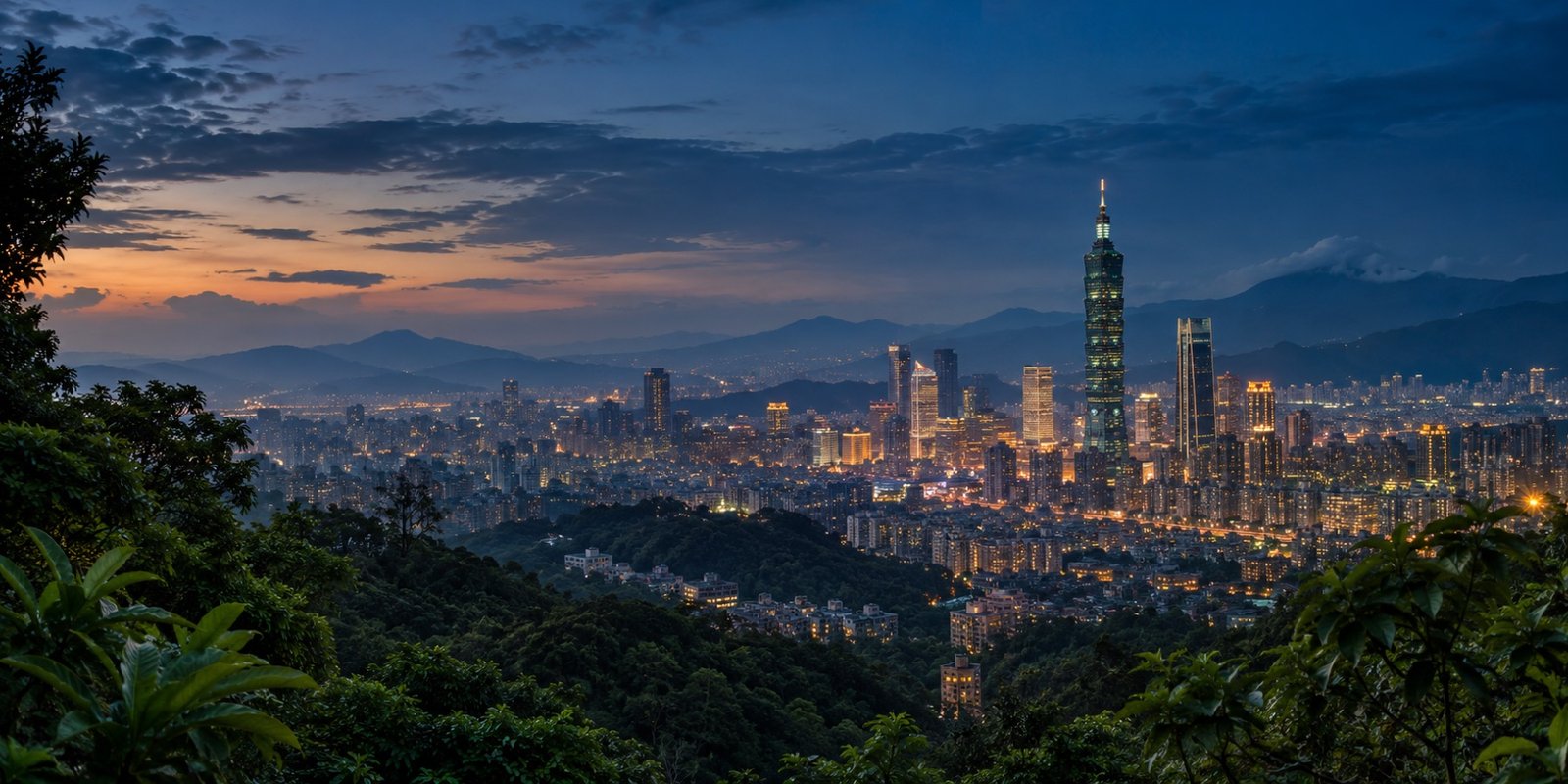
Why go: Taipei. A timed high-level view can make the city basin, mountains and street grid legible when visibility and admission are checked first.
How to do it: Use the official observatory page, compare weather and visibility, and confirm the exact admission product rather than an old reseller bundle.
Good for: City orientation, architecture and accessible sightseeing
Know before you go: Cloud, maintenance, queues and event controls can reduce the view; never publish a stale price as current.
6. Xiangshan trail from a signed urban trailhead
Why go: Taipei. A short marked climb can explain Taipei’s mountain-city setting without turning an easy-to-reach trail into a risk-free promise.
How to do it: Start in daylight, carry water, use the signed route and turn back before heat, lightning or slippery steps make the climb unsuitable.
Good for: Prepared walkers, city views and photography
Know before you go: Steep stairs, humidity and crowding are demanding; stay behind barriers and do not block platforms.
7. Beitou Hot Spring Museum and lawful bathing etiquette
Why go: Taipei. The museum and district can connect geology, bath culture and urban history before any paid bathing session.
How to do it: Check museum access separately from commercial baths, choose a licensed venue, read tattoo, swimwear, age and health rules, and hydrate.
Good for: Wellness history, architecture and slower travellers
Know before you go: Hot-water exposure can be unsafe for some health conditions; never enter an unmanaged spring or drainage channel.
8. Yangmingshan volcanic landscape on currently open paths
Why go: Taipei region. An official park route can introduce fumaroles, grasslands and volcanic geology without entering unstable or closed ground.
How to do it: Use Yangmingshan National Park notices, choose one signed route, check bus and weather conditions and carry a shorter fallback.
Good for: Geology, walkers and nature travellers
Know before you go: Sulphur areas, heat, fog, snakes and sudden weather require marked paths and current closures.
9. Maokong Gondola and tea district with weather contingency
Why go: Taipei. The gondola and hill roads can connect public transport, tea-growing history and basin views when wind and service status are checked.
How to do it: Use Taipei Metro’s live gondola status, reserve no fragile connection after the ride and choose a tea stop that identifies producer and origin.
Good for: Families, tea interest and city panoramas
Know before you go: Wind, thunderstorms and maintenance can suspend service; tea marketing does not prove local origin.
10. Taipei night-market tasting route with an allergy plan
Why go: Taipei. A focused market visit can reveal everyday food culture when travellers compare ingredients and preparation rather than chase a viral checklist.
How to do it: Choose one market, ask vendors about allergens and cross-contact, carry a translation card and dispose of waste correctly.
Good for: Food travellers, families and evening visitors
Know before you go: Crowds, heat, shellfish, nuts, sesame, dairy, egg and gluten can create serious risks; opening patterns change.
11. Tamsui riverfront using the live metro and ferry plan
Why go: New Taipei City. A half-day can connect river trade, public space and sunset geography when ferry operation is treated as conditional.
How to do it: Use the official metro and city tourism pages, check the last return and combine the waterfront with only one museum or historic street.
Good for: River landscapes, families and low-effort touring
Know before you go: Ferries, wind and crowd controls can change; sunset timing is not a reason to miss the last safe connection.
12. Jiufen on public streets without residential intrusion
Why go: New Taipei City. The hillside settlement can reveal mining-era urban form, food and steep-lane geography when homes are not converted into visitor scenery.
How to do it: Travel outside the busiest window, use official bus information, keep doorways clear and verify the return before entering the lanes.
Good for: Urban heritage, food and hill-town travellers
Know before you go: Stairs, rain, congestion and private alleys require restraint; do not claim the town inspired a film without authoritative evidence.
13. Yehliu Geopark on the managed visitor route
Why go: New Taipei City. A regulated visit can explain coastal erosion and rock forms without encouraging people to touch formations or cross safety lines.
How to do it: Use the geopark’s live ticket and weather information, stay on the marked route and keep well back when wind or waves intensify.
Good for: Geology, families and coastal travellers
Know before you go: Rock, spray, heat and typhoon effects can close sectors; formations are fragile and not climbing props.
14. Pingxi Branch Line with no uncontrolled lantern release
Why go: New Taipei City. The railway corridor can support small-town and industrial-history learning without making sky-lantern release the default experience.
How to do it: Use Taiwan Railway’s live timetable, select two stops, keep the railway clear and choose a workshop or reusable keepsake that does not create airborne litter.
Good for: Rail, small towns and responsible travellers
Know before you go: Tracks are operational; crowd controls and weather affect trains, and uncontrolled lanterns create fire and waste risk.
15. National Center for Traditional Arts from the current programme
Why go: Yilan. A scheduled performance, workshop or exhibition can introduce craft and performing arts through named practitioners rather than generic folklore.
How to do it: Check the official daily programme, identify what is included in admission and ask before recording artists or workshops.
Good for: Families, design and performing-arts travellers
Know before you go: Programme, cast, workshop capacity and fees change; do not describe staged work as a complete account of any community.
16. Guishan Island only with an authorised seasonal operator
Why go: Yilan coast. A permitted boat or landing can introduce volcanic coast and marine ecology when access, sea conditions and wildlife distance are controlled.
How to do it: Use the Northeast and Yilan Coast authority and a lawful operator, verify the seasonal permit, life jackets, landing status and cancellation terms.
Good for: Marine geology, birding and boat travellers
Know before you go: Landing and whale sightings are never guaranteed; swell, heat and protected areas rule the day.
17. Hsinchu Hakka experience through a current community programme
Why go: Hsinchu or nearby counties. A host-led food, language or craft programme can add Hakka context when the organiser and exact content are named.
How to do it: Use official city, county or scenic-area listings, confirm host consent and distinguish a contemporary programme from a universal tradition.
Good for: Community culture, food and educational travellers
Know before you go: Do not photograph homes or ceremonies without permission or claim one village represents all Hakka communities.
18. Sanyi wood sculpture and maker provenance
Why go: Miaoli. A museum-and-workshop route can connect forestry, craft and design when visitors distinguish documented local work from imported souvenirs.
How to do it: Begin with the official museum or tourism listing, ask who made each piece and retain receipts for regulated materials.
Good for: Craft, design and responsible shopping
Know before you go: Wood species, age and origin claims require evidence; customs restrictions can apply.
19. National Taiwan Museum of Fine Arts with exhibition checks
Why go: Taichung. A focused visit can introduce modern and contemporary work through current curatorial material rather than a permanent-masterpiece promise.
How to do it: Use the museum’s live exhibitions and access page, choose one theme and confirm photography and bag rules.
Good for: Art, families and weather-safe planning
Know before you go: Installations rotate, rooms close and labels may vary by language; do not guarantee a particular work.
20. Gaomei Wetlands from the official boardwalk and tide plan
Why go: Taichung coast. A managed visit can reveal tidal flats, wind turbines and migratory habitat when conservation rules control the route.
How to do it: Check the city’s live boardwalk status, tide, weather and transport; remain on authorised surfaces and keep wildlife distance.
Good for: Birding, landscape and low-impact travellers
Know before you go: Mud, wind, lightning and rapidly changing water levels can be dangerous; never enter closed habitat.
21. Lukang old town and Longshan Temple with working-town context
Why go: Changhua. A walking circuit can connect trade, temples, lanes and craft without treating residents’ streets as a museum set.
How to do it: Use county tourism information, begin early, group nearby stops and ask before photographing worship or workshops.
Good for: Architecture, food and slower urban travel
Know before you go: Traffic, worship, private courtyards and festival crowds shape access.
22. Sun Moon Lake on one coherent shore-and-ferry plan
Why go: Nantou. A lake day can connect landscape, cycling and communities when visitors resist compressing every pier and trail into one circuit.
How to do it: Use the national scenic area’s live transport and trail notices, select one shore, verify ferry status and rent cycles from a lawful provider.
Good for: Families, cycling and lake landscapes
Know before you go: Weather, water level, boat changes and road traffic can alter the plan; wear a helmet and respect pedestrian sections.
23. Qingjing area through current farm and bus information
Why go: Nantou highlands. A highland stop can provide mountain views and agricultural context when the exact attraction, transport and animal-welfare conditions are checked.
How to do it: Use official county or operator information, confirm the final bus, avoid feeding unless authorised and keep one weather-proof fallback.
Good for: Families, mountain scenery and slower road trips
Know before you go: Fog, winding roads, cold and event crowds can disrupt access; do not call the area an untouched alpine landscape.
24. Alishan Forest Railway on the official timetable
Why go: Chiayi to Alishan. The heritage railway can explain engineering, altitude and forest history when the exact main-line or branch service is chosen.
How to do it: Book only through the official railway system, match the station names carefully and recheck operation after earthquakes, storms or maintenance.
Good for: Rail history, landscapes and families
Know before you go: Timetables and sunrise trains change; Mianyue Line is not an ordinary operating passenger route.
25. Alishan forest trails without a guaranteed sunrise
Why go: Alishan. A marked circuit can connect cypress forest, altitude and mountain weather without reducing the region to one photograph.
How to do it: Use the scenic area and forest authorities, choose a signed route below the group’s ability and treat sunrise or a sea of clouds as uncertain.
Good for: Walkers, ecology and mountain scenery
Know before you go: Cold, fog, stairs and transport queues require layers and a conservative turnaround.
26. National Palace Museum Southern Branch with separate planning
Why go: Chiayi County. The southern branch can add Asian art and cultural exchange when travellers recognise that it is a distinct campus with its own ticket and exhibitions.
How to do it: Use the branch’s official calendar, confirm transport and select current galleries rather than assuming Taipei displays are duplicated.
Good for: Museum learners, art and families
Know before you go: Collections rotate and the large campus requires realistic walking time.
27. Anping Fort and district through official historic interpretation
Why go: Tainan. A visit can frame trade, colonial power and urban change when official museum material is used instead of a simplified heroic story.
How to do it: Check the city’s current heritage access, pair the fort with one nearby site and keep residential lanes clear.
Good for: History, architecture and first-time visitors
Know before you go: Restoration, heat and crowds affect the route; old names and political periods need precise context.
28. Chihkan Tower only after current restoration confirmation
Why go: Tainan. A confirmed public visit can connect layered governance and urban history, but restoration status must control the itinerary.
How to do it: Use Tainan’s official cultural-affairs notice, verify which areas are open and choose an alternative museum if work limits access.
Good for: History, architecture and educational travel
Know before you go: Do not rely on an old map listing or photograph as proof of full reopening.
29. Tainan food route built around ingredients and neighbourhoods
Why go: Tainan. A market and small-shop route can connect local history with noodles, rice dishes, seafood and sweets without declaring one vendor the only authentic source.
How to do it: Choose one district, ask about allergens and opening days, and compare preparation rather than rankings.
Good for: Food travellers and urban walkers
Know before you go: Shellfish, fish, nuts, sesame, egg and cross-contact matter; prices and queues change.
30. Taijiang National Park with an authorised wetland programme
Why go: Tainan coast. A ranger, visitor-centre or lawful boat programme can introduce lagoons, salt landscapes and bird habitat without entering protected flats.
How to do it: Use the national park’s current programme, confirm tides and life jackets, and follow seasonal wildlife restrictions.
Good for: Birding, wetlands and families
Know before you go: Mosquitoes, heat, storms and conservation closures require a flexible plan.
31. Fo Guang Shan with active-monastery respect
Why go: Kaohsiung region. A respectful public visit can support Buddhist art and religious literacy when worship, resident privacy and institutional rules come first.
How to do it: Use the institution’s current visitor guidance, dress modestly, keep voices low and never treat monastics as photo subjects.
Good for: Faith literacy, architecture and educational travellers
Know before you go: Ceremonies, retreats and security can limit access; do not conflate a visitor centre with private monastic areas.
32. Pier-2 Art Center through the live exhibition calendar
Why go: Kaohsiung. A waterfront art route can connect industrial reuse and contemporary culture when current exhibitions are named rather than assumed.
How to do it: Use the official programme, check building hours separately and combine the visit with one public harbour walk.
Good for: Art, design and families
Know before you go: Installations rotate, outdoor works weather and event zones can close.
33. Lotus Pond on currently open temple and waterside routes
Why go: Kaohsiung. A careful circuit can introduce living temples, post-war urban landscape and public recreation without promising access to structures under repair.
How to do it: Use city tourism and temple notices, verify renovation status and respect worship and road crossings.
Good for: Architecture, faith literacy and accessible walks
Know before you go: Construction, ceremonies, heat and traffic can alter the route.
34. Cijin by public ferry with a fixed return plan
Why go: Kaohsiung. A peninsula day can connect harbour, coast and neighbourhood food when ferry and weather decisions remain practical.
How to do it: Check ferry status, carry sun protection, stay within public areas and set the return before an evening connection.
Good for: Families, cycling and harbour landscapes
Know before you go: Swimming, cycling and breakwater access depend on conditions; keep clear of port operations.
35. Maolin butterfly and Rukai landscape with seasonal evidence
Why go: Kaohsiung and Pingtung mountains. A guided seasonal programme can connect ecology and community when no butterfly count or cultural performance is guaranteed.
How to do it: Use the national scenic area’s live programme, choose a registered guide and follow host photography rules.
Good for: Butterflies, community tourism and mountain travel
Know before you go: Typhoons, landslides and seasonal variation can cancel access; do not disclose sensitive roost sites.
36. Dapeng Bay cycling on the current authorised circuit
Why go: Pingtung. A lagoon circuit can add wetlands, maritime history and cycling when bridge, path and event closures are checked.
How to do it: Use the scenic area’s current map, rent a safe bicycle, wear a helmet and turn back before heat or storms.
Good for: Cyclists, families and coastal landscapes
Know before you go: Wind, traffic interfaces and surface works require caution.
37. Kenting National Park with beach and trail separation
Why go: Pingtung. A multi-day park stay can combine coast, forest and geology when swimming and walking decisions use different live safety checks.
How to do it: Use national-park notices, lifeguards and weather data; choose managed beaches and signed trails and avoid coral or wildlife disturbance.
Good for: Coast, nature and families
Know before you go: Rip currents, typhoons, heat and protected zones can make a famous beach or trail unsuitable.
38. National Museum of Marine Biology and Aquarium from the live programme
Why go: Pingtung. A structured museum visit can introduce Taiwan’s marine environments when animal welfare and conservation interpretation matter more than spectacle.
How to do it: Use the museum’s official calendar, choose priority galleries and check accessibility, feeding or behind-the-scenes claims directly.
Good for: Families, marine education and weather-safe days
Know before you go: Programmes and exhibits change; do not promise animal encounters.
39. Taroko only on routes explicitly reopened by the park
Why go: Hualien region. A limited official route can explain gorge geology and Truku cultural context without pretending earthquake recovery is complete.
How to do it: Use the Taroko National Park closure page and highway controls on the same day, enter only a named open area and keep a Hualien alternative.
Good for: Geology, cultural context and experienced planners
Know before you go: Major trails including Shakadang remain closed after the 2024 earthquake; rockfall, traffic controls and typhoons can change access instantly.
40. Sanxiantai and the East Coast on managed paths
Why go: Taitung coast. A marked coastal walk can introduce volcanic geology and Pacific exposure when wave and wind conditions control the distance.
How to do it: Use the East Coast scenic-area notice, stay on managed structures and turn back early when wind or heat rises.
Good for: Coastal scenery, geology and walkers
Know before you go: Large waves, salt spray, typhoons and damaged paths can close access.
41. East Rift Valley by rail and one local cycle segment
Why go: Hualien or Taitung. A slow corridor day can connect rice fields, towns and mountains without requiring a rushed island loop.
How to do it: Use Taiwan Railway and the East Longitudinal Valley authority, select one station pair and rent a cycle only from a lawful operator.
Good for: Rail, cycling and rural landscapes
Know before you go: Heat, farm traffic, typhoons and limited return services require a short route.
42. Taitung Indigenous programme with host authority
Why go: Taitung County. A community-led food, craft, music or landscape programme can support learning when the specific people, host and permission are named.
How to do it: Book through an official or community-authorised channel, ask before recording and let the host define what is public.
Good for: Cultural learners, families and responsible travel
Know before you go: Do not merge Taiwan’s Indigenous peoples into one culture or invent ceremony access.
43. Green Island with ferry, weather and licensed-water checks
Why go: Taitung offshore. An island stay can connect geology, history and marine ecology when the ferry and any diving or snorkelling use licensed providers.
How to do it: Check the authorised ferry, marine forecast, accommodation transfer and operator credentials; preserve an extra mainland night.
Good for: Island, diving and slower travellers
Know before you go: Seasickness, cancellation, current, heat and limited medical support make a tight same-day plan fragile.
44. Orchid Island through Tao-led and consent-based travel
Why go: Taitung offshore. A longer stay can support Tao-led learning about island life when visitors follow community boundaries and do not turn homes or ceremonies into content.
How to do it: Use a lawful ferry or flight, choose host-authorised accommodation or guiding, ask before photography and keep nuclear-waste or political claims evidence-based.
Good for: Community learning, island landscapes and experienced travellers
Know before you go: Weather strands travellers; sacred spaces, boats and ceremonies are not automatically public.
45. Penghu basalt and villages with current island transport
Why go: Penghu. A multi-day route can connect basalt geology, fishing settlements and seasonal wind when ferries and protected landscapes are planned conservatively.
How to do it: Use the Penghu scenic-area authority, choose one island cluster and confirm every boat and return before departure.
Good for: Geology, islands and coastal heritage
Know before you go: Strong wind, heat, rough sea and limited services can cancel the plan; never remove coral or rock.
46. Kinmen National Park through documented military and village history
Why go: Kinmen. The park can connect fortified landscapes, architecture and civilian memory when current security boundaries and interpretation are respected.
How to do it: Use the national park’s official route, stay out of military areas and photograph only where permitted.
Good for: Modern history, architecture and island travel
Know before you go: Do not photograph active security facilities or collect battlefield material.
47. Matsu islands with ferry buffers and dark-sky restraint
Why go: Lienchiang County. A slow island route can combine military heritage, villages and seasonal marine bioluminescence without guaranteeing the “blue tears” phenomenon.
How to do it: Use the Matsu scenic-area authority, allow weather buffer days, choose a low-impact licensed boat or shore programme and keep lights controlled.
Good for: Island, history and night-nature travellers
Know before you go: Bioluminescence is seasonal and uncertain; fog and rough sea disrupt flights and ferries.
48. Yushan only with permits, ability and mountain weather aligned
Why go: Yushan National Park. A permitted high-mountain plan can introduce alpine ecology and safety discipline, but the summit is not a first-trip entitlement.
How to do it: Use Hike Smart Taiwan and Yushan National Park, secure every required permit, carry suitable equipment and turn back under ranger or weather guidance.
Good for: Experienced hikers and high-mountain ecology
Know before you go: Altitude, cold, landslides and typhoons can be fatal; permits and a booking do not guarantee safe access.
49. Shei-Pa mountain experience below the group’s real limit
Why go: Shei-Pa National Park. A ranger-led, visitor-centre or permitted trail day can introduce high-mountain ecosystems without forcing a summit objective.
How to do it: Use the park’s live trail status, obtain permits where required and choose a route matching experience and daylight.
Good for: Mountain ecology, hikers and educational travel
Know before you go: Steep terrain, altitude, weather and protected species require conservative decisions.
50. Taiwan tea route with named origin and producer
Why go: Taipei, Nantou, Chiayi or another verified tea area. A tasting or farm programme can explain cultivar, elevation, processing and brewing when provenance is documented.
How to do it: Choose a current registered producer or host, ask what was grown and processed locally, verify allergens and avoid declaring one style “best.”
Good for: Tea, agriculture and responsible shopping
Know before you go: Packaging and a mountain name do not prove origin; steep farms and hot equipment require care.
Food and drink worth planning around
Night markets, breakfast shops, tea houses and regional restaurants are useful when the guide names ingredients and context instead of declaring a single “best” vendor.
Carry an allergy translation card and ask about peanuts, tree nuts, sesame, soy, shellfish, fish, egg, dairy, gluten and shared oil.
Do not assume vegetarian wording excludes fish stock, lard or cross-contact; confirm directly.
Queues and social-media popularity are not evidence of hygiene, origin or quality.
What to buy
For tea, ceramics, wood, textiles and food, ask who made it, where, from which material and whether production occurred locally.
Keep receipts and check customs rules for plants, seeds, meat, antiques, wildlife products, alcohol and food.
Never remove coral, rock, plants, artefacts or military material from a protected or historic place.
Traditional-looking design is not proof of maker, age or Indigenous origin.
Getting around
Use the official operators: THSR for high-speed rail, Taiwan Railway for the conventional network, and the relevant city metro, bus, ferry or airline for the final segment.
Taiwan Railway’s current English booking guidance says ordinary advance booking generally opens 28 days before travel, with holiday adjustments announced separately. Recheck rather than relying on a saved rule.
Roads can close after earthquakes, typhoons and heavy rain. A map route is not proof that a mountain road is open.
Pedestrians must watch scooters and turning traffic even at crossings. Driving-document rules depend on licence country and stay.
Easy access and family travel
Ask for the exact step-free route, station lift, platform gap, toilet, seating, slope and last accessible return. One accessible station does not make a mountain or island itinerary accessible.
Major city transport and museums often provide useful services, but historic lanes, temples, coast paths and older stations vary.
Families should set a meeting point in markets and stations and keep children away from tracks, jetties, cliffs and hot springs.
Mixed-ability groups should choose a short shared core and optional extension before arrival.
Stay safe
The US advisory remains Level 1, Exercise Normal Precautions, issued 25 November 2025, with natural-disaster risk emphasised in current travel guidance.
Current UK advice says crime rates are extremely low but travellers should remain vigilant and follow local law enforcement.
Typhoons, earthquakes, tsunamis, flooding, landslides and extreme heat can disrupt multiple regions. Use the Central Weather Administration and the responsible road, rail, park or ferry operator.
Roads and vehicles can be well maintained while scooter movement and turning traffic still create pedestrian risk.
Drug offences can carry severe penalties, including the death penalty in some cases. Do not carry another person’s luggage.
Call police 110, ambulance or fire 119, and coastguard 118. The Information for Foreigners helpline is 0800 024 111.
Mistakes to avoid
- Calling a place UNESCO World Heritage when it does not appear on UNESCO’s official World Heritage List.
- Planning Taroko from pre-earthquake articles instead of its live closure and traffic-control pages.
- Treating THSR, Taiwan Railway and city metro as one interchangeable system.
- Booking an island or mountain day without weather and cancellation buffers.
- Entering private lanes, homes, ceremonies, Indigenous spaces or military areas for photographs.
- Assuming a night-market dish is allergen-safe or that one vendor is the only authentic source.
- Publishing old fares, timetables, opening hours or visa lists as current facts.
- Promising sunrise, wildlife, bioluminescence, clear mountain views or a ferry crossing.
Sample seven-day route
Use four nights in Taipei for museums, neighbourhoods and one northern day trip, then three nights in one second base such as Tainan, Kaohsiung, Taichung or Chiayi. Do not add an offshore island or high summit to a seven-day first trip.
Sample ten-day route
Pair Taipei with Tainan or Kaohsiung and one carefully chosen central stop such as Sun Moon Lake or Alishan. Keep one uncommitted weather day.
Sample fourteen-day route
Use Taipei, a central or southern base and one east-coast or island region. Preserve two disruption buffers and keep Taroko, offshore ferries and high mountains conditional on live access.
Taiwan travel FAQ
Do I need a visa?
It depends on passport, status, purpose and length of stay. Use Taiwan’s Bureau of Consular Affairs live table and Immigration authority.
Do I need a Taiwan Arrival Card?
Many visitors do, but the official portal lists exemptions including several resident-document categories. Submit only through the official portal.
Is Taroko fully open?
No. Recovery from the 2024 earthquake continues and many famous routes remain closed or controlled. Use only a route explicitly listed as open on the visit date.
Can I travel only by High Speed Rail?
No. THSR serves the western corridor. Conventional rail, metro, bus, ferry, flight or road transfers are needed for many places.
Is Taiwan safe?
No guide can guarantee safety. The US advisory is Level 1, but earthquakes, typhoons, heat, flooding and landslides require preparation and live official checks.
How long should a first trip be?
Ten to fourteen days supports Taipei plus two regions without turning every rail journey into a checklist. Seven days works with Taipei and one second base.
Official planning sources
- Taiwan Tourism Administration
- Taiwan Tourism attractions overview
- Taiwan Tourism scenic spot search
- Bureau of Consular Affairs visa-exempt entry
- Official Taiwan Arrival Card portal
- Taiwan High Speed Rail
- Taiwan Railway official English service
- Taipei Travel official site
- National Palace Museum
- Yangmingshan National Park
- Northeast and Yilan Coast National Scenic Area
- North Coast and Guanyinshan National Scenic Area
- Sun Moon Lake National Scenic Area
- Alishan National Scenic Area
- Alishan Forest Railway and Cultural Heritage Office
- Taijiang National Park
- Dapeng Bay National Scenic Area
- Maolin National Scenic Area
- Kenting National Park
- Taroko National Park current notices
- Taroko National Park post-earthquake access FAQ
- East Coast National Scenic Area
- East Longitudinal Valley National Scenic Area
- Penghu National Scenic Area
- Kinmen National Park
- Matsu National Scenic Area
- Yushan National Park
- Shei-Pa National Park
- National Park Service of Taiwan
- Hike Smart Taiwan permit service
- Central Weather Administration
- UNESCO official World Heritage List
- United States Taiwan travel advisory
- United Kingdom Taiwan travel advice
- United Kingdom Taiwan safety and security
- United Kingdom Taiwan emergency information
Disclosure: This independent editorial guide is informational, not a booking guarantee. No price, ranking, safety outcome, entry permission or availability is guaranteed. Recheck all time-sensitive details with the linked official source before purchase.