This guide uses official tourism, government and transport sources. Rules and prices can change, so check the linked official pages before booking.
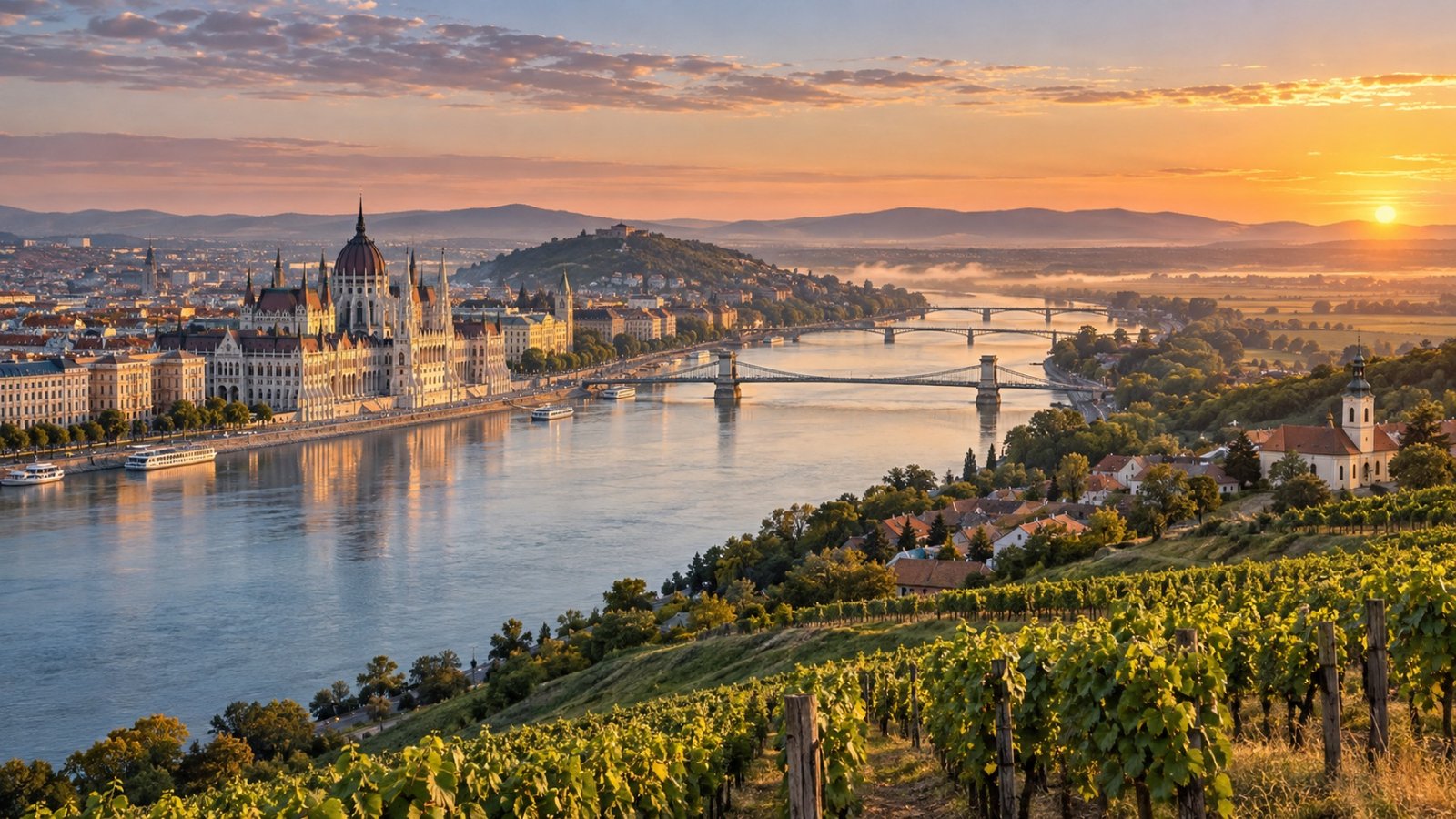
Hungary is not a single Budapest weekend. Thermal-water culture, Jewish and twentieth-century memory, Ottoman and Habsburg architecture, wine regions, protected grasslands, cave systems, university cities and the varied shores of Lake Balaton need different planning. These fifty experiences help first-time visitors use trains and regional transport realistically, enter baths safely, drink responsibly, respect memorial and sacred places, follow national-park rules and give the country beyond the capital enough time.
Hungary at a glance
- Ideal first trip: 10–14 days for Budapest, the Danube Bend, one eastern or southern city and Lake Balaton or a wine region.
- Currency: Hungarian forint; cards are common, but exchange rates, dynamic currency conversion and small rural services need checking.
- Transport: national rail and buses cover major routes, while supplements, reservations and engineering work vary.
- Bath safety: thermal pools are not suitable for every medical condition; follow current operator guidance.
- Price check: verify rail, bath, museum, wine-tour, hotel and cancellation totals before purchase.
Entry, visa and arrival planning
Hungary participates in the Schengen Area. Check Hungary’s official consular service and the authority responsible for your passport and residence for current visa and entry rules.
Budapest is the main gateway. Vienna, Bratislava, Zagreb and regional airports can support an open-jaw route when rail or bus tickets and border conditions are verified.
When to go
Spring and autumn balance cities, vineyards, lake towns and walking. Summer brings heat, festivals and Balaton demand; winter supports museums, spas and seasonal markets with short daylight.
Great Plain heat, Danube flooding, mountain snow and lake storms can change plans. Keep one flexible day around outdoor routes.
Budget and places to stay
Compare exact MÁV and regional tickets, supplements and reservations. Add airport transfer, city transport, bath extras and one flexible booking.
Baths, castles and wine tours may price lockers, cabins, tastings or circuits separately. Compare the final experience rather than the headline admission.
Fifty things to do in Hungary
1. Hungarian Parliament on an official timed tour
Why go: Budapest. Architecture, the crown and a working legislature are best understood through the authorised route.
Good for: history, architecture and cultural travellers
Know before you go: Security, parliamentary business and strict entry times can change access.
2. Buda Castle district as a layered civic landscape
Why go: Budapest. Palaces, museums, churches and post-war rebuilding reveal repeated reinvention above the Danube.
Good for: history, architecture and cultural travellers
Know before you go: Large distances, slopes and events make a selective route essential.
3. Hungarian National Gallery by one artistic period
Why go: Budapest. Historic and modern Hungarian art provides national context often missing from city walks.
Good for: culture, families and rainy-day travellers
Know before you go: Collection scale and temporary closures reward priorities.
4. Matthias Church and Fisherman’s Bastion with worship respected
Why go: Budapest. Religious history, restoration and city views make a coherent hilltop visit.
Good for: history, architecture and cultural travellers
Know before you go: Services, paid sections, stairs and crowds require timing.
5. Hospital in the Rock with serious historical context
Why go: Budapest. Underground medical and wartime history connects civilian survival with twentieth-century conflict.
Good for: culture, families and rainy-day travellers
Know before you go: Confined spaces and intense material may not suit everyone.
6. Dohány Street Synagogue and Jewish Quarter history
Why go: Budapest. Synagogue, cemetery and museum evidence support a respectful account beyond nightlife branding.
Good for: history, architecture and cultural travellers
Know before you go: Security, dress, holy days and memorial conduct matter.
7. Shoes on the Danube Bank as a quiet memorial stop
Why go: Budapest. The installation commemorates Jewish victims murdered at the river and requires silence rather than staged photography.
Good for: history students, families and reflective travellers
Know before you go: River-edge traffic and crowding can undermine respectful behaviour.
8. House of Terror with source-aware interpretation
Why go: Budapest. The building examines fascist and communist repression within a politically charged national narrative.
Good for: culture, families and rainy-day travellers
Know before you go: Graphic content and interpretive debate require time and cross-checking.
9. Hungarian National Museum for a chronological foundation
Why go: Budapest. Archaeology and national history make later city sites easier to understand.
Good for: culture, families and rainy-day travellers
Know before you go: Dense galleries and rotations require a focused theme.
10. Museum of Fine Arts and Heroes’ Square together
Why go: Budapest. European collections and monumental urban planning form one coherent cultural stop.
Good for: culture, families and rainy-day travellers
Know before you go: Events, renovation and square exposure affect circulation.
11. Városliget museums and park architecture selectively
Why go: Budapest. New and historic cultural buildings show the debate around a changing public park.
Good for: design and architecture travellers
Know before you go: Construction, event zones and long walking distances alter routes.
12. Széchenyi Baths with health and etiquette realism
Why go: Budapest. Historic thermal pools can be meaningful when visitors understand changing rooms, water temperature and local rules.
Good for: wellness travellers who can safely use thermal facilities
Know before you go: Medical conditions, slippery surfaces, crowds and extras require caution.
13. Gellért thermal legacy while checking current operation
Why go: Budapest. Art Nouveau design and bathing culture deserve attention even when renovation changes access.
Good for: wellness travellers who can safely use thermal facilities
Know before you go: Do not assume a famous bath is open or offers every historic space.
14. Rudas Baths only after checking session rules
Why go: Budapest. Ottoman architecture and rooftop facilities illustrate multiple eras of thermal bathing.
Good for: wellness travellers who can safely use thermal facilities
Know before you go: Gender, swimwear, age and session rules can change.
15. Great Market Hall as one meal, not a souvenir race
Why go: Budapest. Produce, paprika, prepared food and daily commerce offer context when prices and origin are checked.
Good for: food and wine-focused adult travellers
Know before you go: Upper-floor tourist pricing and crowding require comparison.
16. Memento Park with twentieth-century context
Why go: Budapest. Relocated socialist monuments invite discussion about propaganda, memory and public space.
Good for: culture, families and rainy-day travellers
Know before you go: Outdoor exposure and transport from the centre need planning.
17. Budapest trams and metro as living design history
Why go: Budapest. Historic stations, Danube trams and modern networks make public transport part of a low-carbon itinerary.
Good for: city breaks and first-time visitors
Know before you go: Ticket validation, replacement buses and escalator etiquette matter.
18. Szentendre art, Serbian heritage and riverside streets
Why go: Danube Bend. Churches, museums and artists’ collections provide a compact regional day beyond souvenir lanes.
Good for: city breaks and first-time visitors
Know before you go: Weekend crowds and seasonal museum hours require timing.
19. Visegrád citadel with the Danube Bend landscape
Why go: Danube Bend. Fortification and river geography explain medieval strategy and trade.
Good for: history, architecture and cultural travellers
Know before you go: Steep access, exposed viewpoints and limited buses need planning.
20. Esztergom Basilica and border-river context
Why go: Danube Bend. Religious architecture and views toward Slovakia reveal the Danube as connection rather than edge.
Good for: history, architecture and cultural travellers
Know before you go: Worship, dome access and bridge conditions vary.
21. Gödöllő Royal Palace with an official interior circuit
Why go: Pest county. Habsburg court life, restoration and gardens make a manageable trip from Budapest.
Good for: history, architecture and cultural travellers
Know before you go: Tour languages, state events and seasonal gardens affect access.
22. Hollókő as a living World Heritage village
Why go: Northern Hungary. Palóc architecture and traditions have meaning only when residents and contemporary life are acknowledged.
Good for: history, architecture and cultural travellers
Know before you go: Homes, festivals and limited transport require considerate timing.
23. Eger Castle and siege history through museum evidence
Why go: Eger. Fortifications and collections distinguish documented history from heroic legend.
Good for: history, architecture and cultural travellers
Know before you go: Slopes, events and restoration change routes.
24. Eger Baroque centre and minaret with alternatives
Why go: Eger. Religious, Ottoman and civic architecture reveal a complex borderland past.
Good for: history, architecture and cultural travellers
Know before you go: The minaret has an extremely narrow staircase.
25. Eger wine cellars with one responsible tasting
Why go: Eger. Producer-led tasting can explain soils, blends and regional identity beyond a famous nickname.
Good for: food and wine-focused adult travellers
Know before you go: Alcohol strength, cellar stairs and informal pricing require care.
26. Bükk National Park on one marked forest route
Why go: Northern Hungary. Limestone plateaus, caves and forest ecosystems reward a realistic walking day.
Good for: prepared walkers and outdoor travellers
Know before you go: Weather, hunting, cave and conservation closures can change access.
27. Miskolctapolca cave-bath concept with live-status checks
Why go: Miskolc. A thermal facility in a natural cave setting is unusual when operation and water conditions are verified.
Good for: wellness travellers who can safely use thermal facilities
Know before you go: Renovation, health restrictions and crowding can interrupt access.
28. Diósgyőr Castle and industrial-city context
Why go: Miskolc. Medieval reconstruction and nearby industrial history broaden a city often used only as a transfer.
Good for: history, architecture and cultural travellers
Know before you go: Restoration phases and event programming affect authenticity and access.
29. Aggtelek Baradla Cave on an official guided route
Why go: Northern Hungary. Large karst chambers and protected geology form a major transboundary natural system.
Good for: landscape, geology and wildlife travellers
Know before you go: Cold, stairs, duration and flooding require the exact tour choice.
30. Tokaj town and World Heritage wine landscape
Why go: Tokaj. Vineyards, cellars and river geography explain a regulated wine region beyond sweet-wine stereotypes.
Good for: food and wine-focused adult travellers
Know before you go: Bookings, alcohol, cellar mould and harvest traffic require planning.
31. Sárospatak Castle and Reformation history
Why go: Northeast Hungary. Fortress-palace architecture and educational history offer a strong regional stop.
Good for: history, architecture and cultural travellers
Know before you go: Interior routes and rail connections are limited by date.
32. Hortobágy National Park with an authorised guide
Why go: Great Plain. Puszta grassland, wetlands and pastoral culture form a protected cultural landscape rather than empty wilderness.
Good for: landscape, geology and wildlife travellers
Know before you go: Heat, storms, wildlife disturbance and long distances require official routes.
33. Debrecen Reformed Great Church and city history
Why go: Debrecen. Religious and political history anchors eastern Hungary’s largest city.
Good for: history, architecture and cultural travellers
Know before you go: Services, tower access and events require respectful timing.
34. Déri Museum and the Munkácsy trilogy
Why go: Debrecen. Regional archaeology, ethnography and major painting provide an indoor foundation for the Great Plain.
Good for: culture, families and rainy-day travellers
Know before you go: Display schedules and loans can change.
35. Nyíregyháza Sóstó museum village with seasonal realism
Why go: Northeast Hungary. Open-air buildings and demonstrations introduce vernacular life across the region.
Good for: culture, families and rainy-day travellers
Know before you go: Outdoor scale and seasonal staffing affect value.
36. Szeged Votive Church and riverside rebuilding story
Why go: Szeged. Monumental architecture and urban planning reflect recovery after the 1879 flood.
Good for: history, architecture and cultural travellers
Know before you go: Services, festival stages and summer heat change access.
37. Móra Ferenc Museum and Szeged cultural history
Why go: Szeged. Archaeology, art and local collections add evidence to the rebuilt city.
Good for: culture, families and rainy-day travellers
Know before you go: Temporary exhibitions and renovation can change routes.
38. Szeged paprika and food culture through a reputable producer
Why go: Szeged. Processing, varieties and regional dishes make paprika more than packaged souvenir powder.
Good for: food and wine-focused adult travellers
Know before you go: Origin claims, allergens and market pricing need checking.
39. Ópusztaszer National Heritage Park critically
Why go: Southern Great Plain. Large-scale historical interpretation and an open-air collection invite comparison between evidence and national storytelling.
Good for: culture, families and rainy-day travellers
Know before you go: Outdoor distances and staged narratives require context.
40. Gyula Castle and Almásy Palace as separate stories
Why go: Gyula. Brick fortification and aristocratic domestic history create a useful paired visit.
Good for: history, architecture and cultural travellers
Know before you go: Separate tickets, events and spa crowds need planning.
41. Pécs Early Christian Necropolis with official interpretation
Why go: Pécs. Painted burial chambers and archaeology reveal late Roman religious life beneath the modern city.
Good for: history, architecture and cultural travellers
Know before you go: Underground spaces and limited capacity require booking.
42. Zsolnay Cultural Quarter and ceramic heritage
Why go: Pécs. Industrial design, family enterprise and adaptive reuse connect art with manufacturing.
Good for: culture, families and rainy-day travellers
Know before you go: Large grounds and multiple exhibitions require selection.
43. Pécs mosque-church and multicultural centre
Why go: Pécs. Layers of Ottoman and Christian use help explain the city’s borderland history.
Good for: history, architecture and cultural travellers
Know before you go: Worship and architectural changes require nuanced interpretation.
44. Villány wine region with safe transport
Why go: South Transdanubia. Small producers and vineyard landscapes can explain southern red-wine traditions.
Good for: food and wine-focused adult travellers
Know before you go: Designated transport, advance bookings and heat are essential.
45. Lake Balaton on one realistic shore base
Why go: Balaton. Central Europe’s large shallow lake supports beaches, ferries and towns, but the shores offer different experiences.
How to do it: Use the official beach, ferry or park information, check wind and storms, and choose one shore base rather than constant transfers.
Good for: families, swimmers and slower lake travellers
Know before you go: Wind, algae, storms and peak-season transport require local checks.
46. Tihany Peninsula on protected trails
Why go: Balaton Uplands. Abbey history, volcanic geology and lake views overlap within a protected landscape.
Good for: landscape, geology and wildlife travellers
Know before you go: Traffic, heat and erosion make marked routes important.
47. Badacsony volcanic hill and wine terraces
Why go: Balaton Uplands. Basalt geology, vineyards and viewpoints create a distinctive north-shore landscape.
Good for: prepared walkers and outdoor travellers
Know before you go: Steep paths, heat and wine tasting require separation.
48. Káli Basin and Hegyestű visitor site
Why go: Balaton Uplands. Stone seas, villages and a former quarry reveal geology and land use.
Good for: landscape, geology and wildlife travellers
Know before you go: Road traffic, private property and visitor-site hours require care.
49. Keszthely Festetics Palace and western Balaton history
Why go: Western Balaton. Palace interiors, library and gardens show aristocratic life and regional development.
Good for: history, architecture and cultural travellers
Know before you go: Separate exhibitions and seasonal gardens affect timing.
50. Pannonhalma Archabbey with monastic conduct
Why go: Western Hungary. Library, church, landscape and living Benedictine community form a major cultural site.
Good for: history, architecture and cultural travellers
Know before you go: Worship, guided access and quiet rules are central.
Food and drink worth planning around
Hungarian cooking includes soups, stews, freshwater fish, paprika dishes, pastries, cheeses and regional wines as well as modern kitchens. Verify allergens and portion size.
Pálinka and wine can be strong. Eat, hydrate, use public transport and never combine alcohol with driving, swimming or cycling.
What to buy
For paprika, wine, porcelain, embroidery, leather and design goods, confirm maker, origin and ingredients. Folk-style branding is not proof of local production.
Use established sellers, retain receipts and check customs, alcohol, food and antique rules before export.
Getting around
Use MÁV’s official timetable and disruption information and the relevant city network. Check supplements, compulsory reservations and the exact station.
Validate or activate local tickets as required. Budapest escalators are long and fast; stand securely and keep the passing side clear.
Easy access and family travel
Accessibility varies across historic baths, caves, castle hills, older rail stock and national-park routes. Ask for exact steps, lifts, water entry and assistance.
Families and mixed-ability groups should agree on a shorter shared core plus one optional tower, pool or walk.
Stay safe
Use official weather, rail, road and park information. Obey storm, cave, hunting, fire and habitat closures.
Use bank or established exchange services, keep valuables controlled in crowded transit and never enter water during storms or after drinking.
Mistakes to avoid
- Spending the whole trip in central Budapest and calling it Hungary.
- Entering thermal water without reading health and session rules.
- Assuming every famous bath or attraction is currently open.
- Treating strong wine or pálinka like a soft drink.
- Using unverified exchange desks or accepting poor dynamic currency conversion.
- Ignoring InterCity supplements or seat-reservation rules.
- Disturbing wildlife or pastoral work in Hortobágy.
- Planning all Lake Balaton shores as one rushed day.
Sample seven-day route
Use four Budapest nights, one Danube Bend day and two Eger, Pécs or Balaton nights.
Sample ten-day route
Use four Budapest, two Eger and Tokaj, two Debrecen and Hortobágy, and two Lake Balaton nights.
Sample fourteen-day route
Use four Budapest and Danube Bend, three northern wine and cave region, three Great Plain cities and park, and four Pécs, Balaton or western Hungary nights.
Hungary travel FAQ
How many days are enough for Hungary?
Seven days covers Budapest and two nearby regions. Ten to fourteen days lets the Great Plain, Pécs or Lake Balaton become real chapters.
Do I need a car?
No for Budapest, major cities and many lake towns. A car can help selected rural routes, but rail, buses and guided park trips support a strong first visit.
Are thermal baths safe for everyone?
No. Heat and mineral water may be unsuitable for some conditions, pregnancy or young children. Read current operator guidance and seek medical advice when needed.
Can I visit Tokaj or Eger without drinking?
Yes. Architecture, food, vineyards and landscape remain worthwhile; book a driver or public transport and choose non-alcoholic participation where available.
Official planning sources
- Visit Hungary official travel portal
- Visit Hungary official national parks guide
- MÁV official rail and bus information
- MÁV reduced-mobility assistance
- Balaton Uplands National Park tourism
- Hortobágy National Park official site
- Hungary Consular Services
- UNESCO World Heritage state-party record for Hungary
- United Kingdom government travel advice for Hungary
- United States government travel advisory for Hungary
Disclosure: This independent editorial guide is informational, not a booking guarantee. No price, ranking, safety outcome, entry permission or availability is guaranteed. Recheck all time-sensitive details with the linked official source before purchase.