This guide uses official tourism, government and transport sources. Rules and prices can change, so check the linked official pages before booking.
Liechtenstein compresses museums, industrial history, vineyards, wetlands and serious alpine terrain into a narrow country between Switzerland and Austria. A strong first visit uses public transport, distinguishes private castles from public attractions and treats short map distances as potentially steep mountain journeys. The experiences below are grounded in official tourism, museum, transport and government sources, with conditional access clearly labelled.
Liechtenstein at a glance
- Entry: Liechtenstein is in the Schengen area and has open land borders with Switzerland and Austria in normal conditions; travellers must meet the applicable entry rules.
- Language: German is official; English is common in many visitor settings but not guaranteed.
- Currency: Swiss francs are official; euros may be accepted selectively but change and rates vary.
- Transport: LIEmobil buses link towns and neighbouring rail hubs; the country has rail stops but Vaduz has no mainline station.
- Terrain: the Rhine plain is gentle, while mountain villages and trails involve major elevation, weather and exposure.
Entry, visa and arrival planning
Most international arrivals connect through Swiss or Austrian rail stations such as Sargans, Buchs or Feldkirch and continue by LIEmobil. Verify passport and Schengen requirements through official authorities, then check the exact bus stop and final service.
Driving requires the correct motorway vignette where applicable in neighbouring countries, lawful parking and awareness of winter conditions. A rental contract may limit cross-border use, so obtain written permission.
When to go
Late spring through early autumn supports the widest hiking range, while winter centres on Malbun snow activities. Shoulder seasons can be quiet but lifts, huts and museums may reduce hours.
Mountain weather changes quickly. National Day, cultural festivals and sporting events add interest but can alter roads and buses; use the official current-year calendar.
Budget and places to stay
Museums, buses and listed offers may be bundled in the current Adventure Pass, but value depends on live inclusions and opening days. Compare the exact itinerary before purchase.
Accommodation ranges from valley hotels to mountain stays. A lower price across the border can add transfers; compare the complete door-to-door plan and late bus rather than only the room rate.
Fifty things to do in Liechtenstein
1. Vaduz Castle exterior viewpoint
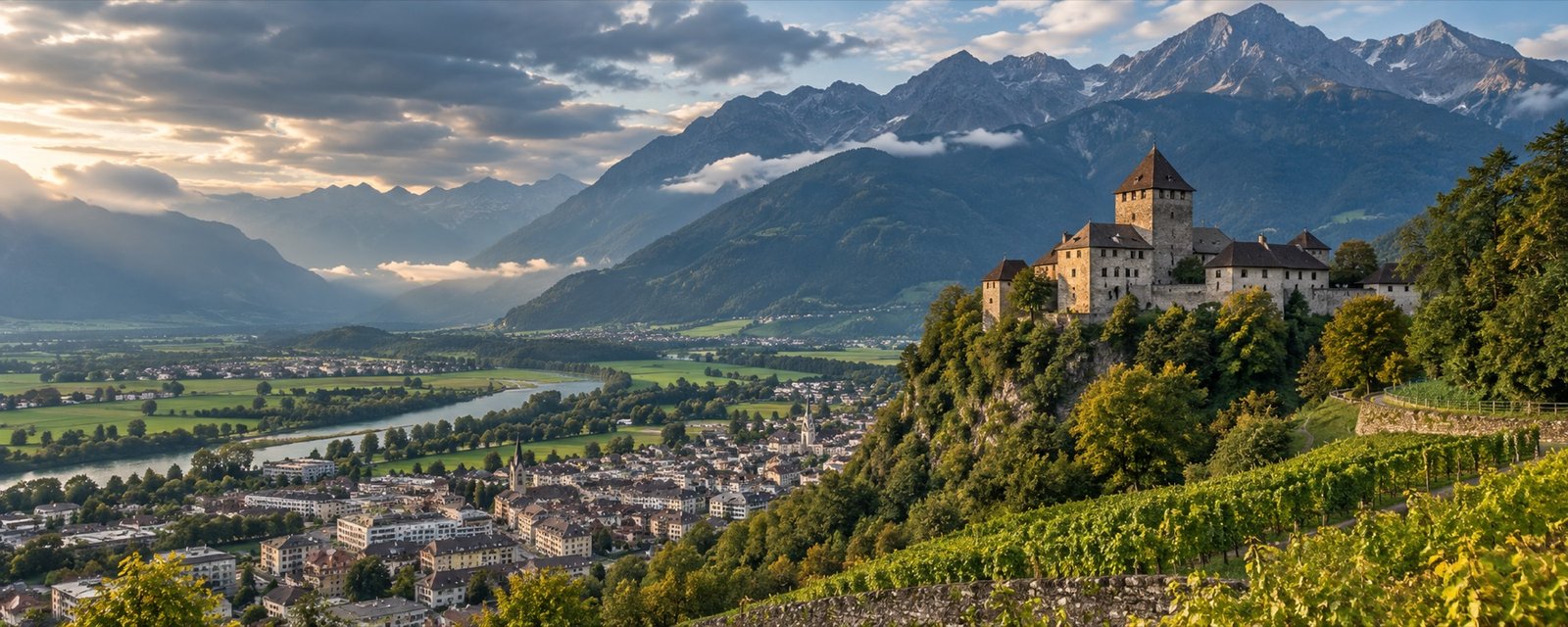
Why go: Vaduz hillside. The princely residence is Liechtenstein’s best-known landmark and a useful starting point for understanding the capital’s geography.
How to do it: Walk only to lawful public viewpoints and use the official tourism page; the castle is a residence, not a routine public museum.
Good for: architecture, national context and valley views
Know before you go: Private grounds, road traffic and steep approaches must be respected.
2. Vaduz government district
Why go: Peter-Kaiser-Platz, Vaduz. The parliament and government buildings present the institutions of a modern constitutional state in a compact civic ensemble.
How to do it: Use the tourism architecture information and observe from public space unless an official tour is advertised.
Good for: civic architecture, politics and urban design
Know before you go: Security and parliamentary activity take priority; do not obstruct entrances.
3. Cathedral of St Florin
Why go: Vaduz. The neo-Gothic cathedral remains an active church while anchoring the southern end of central Vaduz.
How to do it: Visit outside services, dress respectfully and combine it with the nearby government district.
Good for: religious architecture and a quiet central stop
Know before you go: Worship, funerals and photography rules override sightseeing.
4. Kunstmuseum Liechtenstein
Why go: Städtle, Vaduz. The national art museum focuses on modern and contemporary art in a distinctive black-stone building.
How to do it: Check the current exhibition, ticket and accessibility information on the museum’s official site.
Good for: modern art, architecture and rainy days
Know before you go: Exhibitions change; do not promise a specific work without checking.
5. Hilti Art Foundation exhibition
Why go: Kunstmuseum complex, Vaduz. The private collection’s exhibition building expands the museum quarter with rotating twentieth-century and contemporary art.
How to do it: Verify the current display and whether admission is combined with the Kunstmuseum.
Good for: art, design and focused museum visits
Know before you go: Opening patterns and content follow the current exhibition programme.
6. Liechtenstein NationalMuseum
Why go: Städtle, Vaduz. Permanent displays connect archaeology, history, nature and the country’s transition from agriculture to industry.
How to do it: Use the museum’s official visit page, choose a theme and allow more time than a quick capital stop.
Good for: first-time context, families and history
Know before you go: Gallery access and temporary exhibitions can change.
7. Liechtenstein TreasureChamber
Why go: Städtle, Vaduz. A secure small museum presents objects associated with the princely collections and Liechtenstein collectors.
How to do it: Check capacity, security procedure and combined-ticket terms on the NationalMuseum site.
Good for: decorative arts, collections and history
Know before you go: Entry can involve waiting and controlled access; exact objects rotate.
8. Liechtenstein PostalMuseum
Why go: Städtle, Vaduz. Postal history and stamp design offer a compact view of national identity and communication.
How to do it: Confirm current hours and request staff help with the stair lift if required.
Good for: graphic design, philately and a short free museum
Know before you go: Accessibility assistance may require contact; shop items are not investment guarantees.
9. Vaduz Museum Mile
Why go: central Vaduz. The closely spaced national museums and cultural buildings make a practical low-transfer day.
How to do it: Select two or three venues by interest instead of rushing through every institution.
Good for: culture, architecture and poor-weather planning
Know before you go: Different museums have different closing days and security rules.
10. Red House exterior walk
Why go: Mitteldorf, Vaduz. The historic red-gabled residence and vineyard create a contrasting village-scale view of Vaduz.
How to do it: Use public streets and official interpretation; treat the house and vineyard as private property unless access is announced.
Good for: architecture, vineyards and photography
Know before you go: Do not enter private land or block residents and farm work.
11. Old Rhine Bridge
Why go: Vaduz–Sevelen border. The covered wooden bridge crosses the Rhine between Liechtenstein and Switzerland and makes the national border tangible.
How to do it: Approach by signed walking or cycling routes and watch for shared-path users.
Good for: engineering, border geography and easy cycling
Know before you go: River conditions, maintenance and bicycle traffic require attention.
12. Court Winery of the Prince of Liechtenstein
Why go: Vaduz. The Herawingert vineyard and winery connect landscape, viticulture and the princely estate.
How to do it: Reserve any tasting through the official winery, confirm language and arrange sober transport.
Good for: wine, agriculture and adult groups
Know before you go: Alcohol, private events and seasonal vineyard work require responsible planning.
13. Vaduz sculpture and architecture walk
Why go: Städtle and public centre. Public artworks and contemporary buildings reveal how a small capital uses art in civic space.
How to do it: Follow the official sculpture or architecture guide and keep museum doorways and cycle routes clear.
Good for: public art, design and free walking
Know before you go: Temporary works and construction can alter the route.
14. Liechtenstein Center orientation
Why go: Städtle, Vaduz. The official visitor centre provides current maps, attraction updates and the symbolic passport-stamp service.
How to do it: Start here with a draft route and ask about live closures, bus changes and accessibility.
Good for: first-time visitors and practical planning
Know before you go: Opening hours and optional services change; a souvenir stamp is not immigration permission.
15. ALL INCLUSIVE Adventure Pass day
Why go: participating attractions countrywide. The tourism pass bundles public transport and listed attractions for a defined validity period.
How to do it: Compare the live inclusions with the exact itinerary before purchase; reserve activities separately when required.
Good for: value planning and multi-attraction trips
Know before you go: A pass is not automatically cheaper and does not guarantee capacity.
16. Gutenberg Castle courtyard and hill
Why go: Balzers. The hilltop castle dominates southern Liechtenstein and has public exterior areas and seasonal cultural use.
How to do it: Check official access to courtyard, chapel, rose garden or events for the chosen date.
Good for: castles, views and Balzers history
Know before you go: Interior access is conditional; slopes and events can restrict movement.
17. Gutenberg archaeological trail
Why go: Balzers castle hill. Interpretation around the hill adds archaeology and settlement history to the castle view.
How to do it: Use signed public paths and current local information rather than searching beyond marked areas.
Good for: archaeology, walking and families
Know before you go: Steep ground and protected remains must not be crossed or collected from.
18. Old Vicarage cultural exhibition
Why go: Balzers. The historic building hosts temporary cultural exhibitions rather than one permanent collection.
How to do it: Check the current programme and opening before travelling.
Good for: local culture and small exhibitions
Know before you go: No specific show or opening day should be assumed.
19. St Peter’s Chapel
Why go: Balzers. One of the country’s oldest sacred buildings provides a compact architectural and devotional stop.
How to do it: Verify public access, enter quietly and pair it with Balzers village or Gutenberg.
Good for: religious heritage and architecture
Know before you go: Services and conservation may limit entry or photography.
20. Mariahilf Chapel
Why go: Mäls, Balzers. The listed chapel is known for its history and baroque interior within a village setting.
How to do it: Use official tourism information, check whether the door is open and respect the surrounding neighbourhood.
Good for: sacred art and village walking
Know before you go: It is not a continuously staffed attraction.
21. DoMuS museum and gallery
Why go: Schaan. The municipal museum and gallery connects local history with changing cultural exhibitions.
How to do it: Check the municipality’s current programme and accessible entrance before visiting.
Good for: local history, art and quiet indoor time
Know before you go: Temporary displays and opening hours change.
22. TAK Theater Liechtenstein performance
Why go: Schaan. The national-scale theatre programme adds live culture to a trip otherwise dominated by landscapes and museums.
How to do it: Book through the official theatre, check language, running time and transport home.
Good for: theatre, music and evening culture
Know before you go: Performance content, age guidance and late buses require verification.
23. Dux Chapel
Why go: Schaan. The Maria zum Trost chapel is a listed eighteenth-century landmark above the settlement.
How to do it: Reach it via a suitable public walking route and visit respectfully if open.
Good for: religious architecture and a short walk
Know before you go: Gradients, worship and limited opening matter.
24. Tower at Dux
Why go: Schaan hillside. The lookout structure opens views across the Rhine Valley and towards the Three Sisters massif.
How to do it: Confirm trail and tower status, carry suitable footwear and avoid poor visibility or storms.
Good for: views, families and short hiking
Know before you go: Steps and exposed height make it unsuitable for some visitors.
25. Schalun Castle ruin
Why go: above Vaduz and Schaan. The Wildschloss ruin sits on a forested ridge and adds a quieter medieval site to the capital area.
How to do it: Follow the official hiking route, keep to signed access and treat the ruin as an unmanaged historic structure.
Good for: forest hiking, ruins and history
Know before you go: Rock, mud, fallen branches and unprotected edges require care.
26. Eschnerberg historic trail
Why go: Eschen–Schellenberg area. A themed trail connects archaeological and cultural sites across the northern ridge.
How to do it: Download the current official route, choose a manageable section and carry offline navigation.
Good for: long walking, archaeology and landscape
Know before you go: Some sections use roads or uneven paths; conditions and transport back matter.
27. Bendern church and church hill
Why go: Gamprin-Bendern. The prominent parish complex and hill connect religious history with views across the Rhine Valley.
How to do it: Visit public exterior areas and the church only when permitted, keeping institutional buildings clear.
Good for: architecture, views and local history
Know before you go: Worship and private or administrative areas limit access.
28. Liechtenstein FarmhouseMuseum
Why go: Schellenberg. A centuries-old wooden house interprets rural building and domestic life.
How to do it: Check the NationalMuseum’s limited seasonal dates before making the journey.
Good for: rural history, families and vernacular architecture
Know before you go: The interior is not wheelchair accessible and opening is highly limited.
29. Upper Schellenberg castle ruin
Why go: Schellenberg. The larger of two ruins reveals the northern territory’s medieval defensive history.
How to do it: Use the signed public approach and official tourism description, combining it with the village or historic trail.
Good for: ruins, walking and archaeology
Know before you go: Do not climb masonry; wet grass and rough surfaces can be slippery.
30. Lower Schellenberg castle ruin
Why go: Schellenberg. The second ruin allows comparison of two sites without treating them as identical remains.
How to do it: Confirm the lawful route, allow enough daylight and keep the visit distinct from the Upper Castle.
Good for: medieval history and a quiet walk
Know before you go: Wayfinding and terrain should be checked locally.
31. Ruggeller Riet nature reserve
Why go: Ruggell. Wet meadows and sensitive habitats in the Rhine plain reveal a lowland ecology unlike the alpine resorts.
How to do it: Use marked paths, observe seasonal protection and bring binoculars instead of approaching wildlife.
Good for: birding, botany and gentle nature travel
Know before you go: Dogs, drones, cycling and access may be restricted; flooding and breeding seasons matter.
32. Grossabünt leisure area
Why go: Gamprin. The recreation landscape and swimming lake offer a locally used summer counterpoint to mountain sightseeing.
How to do it: Check municipal rules, water status, lifeguard information and public-transport access.
Good for: families, swimming and relaxed afternoons
Know before you go: Natural-water risks, weather and seasonal facilities must be verified.
33. Kulturhaus Rössle
Why go: Mauren. The cultural house presents local history and changing exhibitions in a community setting.
How to do it: Consult the official municipal programme and combine it with a village walk.
Good for: local culture and indoor learning
Know before you go: Exhibitions and access hours vary.
34. Gasometer cultural centre
Why go: Triesen. The former industrial gas holder is used for exhibitions and cultural events.
How to do it: Check the exact programme and event access on the official centre site.
Good for: contemporary culture, architecture and rainy days
Know before you go: It is not continuously open as a general museum.
35. St Mamerten Chapel
Why go: Triesen. The chapel is described by official tourism as Liechtenstein’s oldest and sits above the village.
How to do it: Approach on public routes, verify interior access and respect the cemetery or worship context.
Good for: sacred heritage, walking and views
Know before you go: Steep paths and ceremonies can limit access.
36. Walser Museum
Why go: Triesenberg. The museum interprets the Walser community, mountain settlement and village history.
How to do it: Check current galleries and pair the visit with a signed village route.
Good for: social history, mountain culture and families
Know before you go: Opening and temporary displays must be confirmed.
37. Triesenberg and Steinort village landscape
Why go: Triesenberg. Traditional settlement patterns and surviving buildings illustrate life on the mountain terrace.
How to do it: Use the official heritage walk, remain on public lanes and avoid photographing residents intrusively.
Good for: vernacular architecture and slow walking
Know before you go: Steep roads, traffic and private homes require care.
38. Gaflei lookout tower
Why go: Gaflei. The lookout gives broad views over Vaduz and the Rhine Valley from the mountain terrace.
How to do it: Check road, bus and trail status, then climb only in safe weather.
Good for: views, families and short mountain outings
Know before you go: Steps, height, wind and winter closure risk apply.
39. Fürstensteig trail
Why go: Rätikon above Gaflei. The famous mountain path traverses exposed terrain with engineered sections and dramatic alpine views.
How to do it: Attempt it only with current trail information, mountain experience, suitable equipment and stable weather.
Good for: experienced hikers and alpine landscapes
Know before you go: Exposure and fall risk are serious; this is not a casual family walk.
40. Three Sisters mountain route
Why go: northeastern Liechtenstein Alps. The Drei Schwestern massif offers a demanding route central to Liechtenstein’s alpine identity.
How to do it: Use official route data, start early and turn back for weather, fatigue or unsafe conditions.
Good for: fit hikers and mountain scenery
Know before you go: Scrambling, exposure and route-finding may exceed ordinary hiking ability.
41. Malbun village orientation
Why go: Malbun. The car-light mountain resort concentrates accommodation, lifts and family activities in a high valley.
How to do it: Check seasonal operations and use LIEmobil where practical, then plan activities around live lift and weather status.
Good for: families, mountain stays and low-transfer days
Know before you go: Many services are seasonal and winter road conditions can change quickly.
42. Sareis chairlift and viewing terrace
Why go: Malbun–Sareis. The lift provides access to a high panoramic terrace and walking routes above Malbun.
How to do it: Verify operating hours, wind closure, return time and trail difficulty before boarding.
Good for: views, families and mountain walking
Know before you go: Lift access does not make every onward trail easy or step-free.
43. Malbi Park family snow area
Why go: Malbun. The children’s winter area offers a managed introduction to snow activity when operating.
How to do it: Check snow, opening, lesson and equipment information with the official resort.
Good for: young families and beginner winter activity
Know before you go: Season, weather, age and supervision rules control access.
44. Galina falconry demonstration
Why go: Malbun. A scheduled demonstration can introduce birds of prey and trained flight in an alpine setting.
How to do it: Verify the current provider, welfare information, show time and weather policy before booking.
Good for: families and wildlife education
Know before you go: It is not a wild-bird sighting; schedules and species present can change.
45. Peace Chapel
Why go: Malbun. The chapel commemorates Liechtenstein being spared during the Second World War and provides a quiet village landmark.
How to do it: Visit respectfully outside worship and use official interpretation for its history.
Good for: memorial heritage and a gentle stop
Know before you go: Snow, services and limited opening may affect access.
46. Liechtenstein Trail first stage
Why go: Balzers to Triesenberg. One official stage introduces the cross-country route through southern villages and significant ascent.
How to do it: Use the LIstory route details, exact elevation and current weather; arrange the bus back before starting.
Good for: long-distance walking and country-scale orientation
Know before you go: Distance, ascent and mixed surfaces require fitness and daylight.
47. Liechtenstein Trail by bicycle
Why go: countrywide route. The cycling version connects all municipalities over a published route suitable for mountain, gravel or e-bikes depending on section.
How to do it: Inspect the official surface and elevation data, rent an appropriate bicycle and plan charging or repairs.
Good for: confident cyclists and multi-day travel
Know before you go: Traffic, steep gradients and mixed surfaces remain significant.
48. Rhine Valley cycle path
Why go: western Liechtenstein. A flatter ride along the valley complements steep mountain routes and links bridges and nature areas.
How to do it: Use current signed cycle routes, check river works and yield on shared paths.
Good for: families with cycling experience and easy landscape travel
Know before you go: Wind, heat, flooding and fast bicycles require attention.
49. Käsknöpfle cooking or tasting experience
Why go: recognised local venue. A structured food experience can explain a widely associated cheese-and-pasta dish without claiming one restaurant as definitive.
How to do it: Book through an official tourism-listed provider, disclose allergens and confirm what is included.
Good for: food culture, groups and rainy days
Know before you go: Menus, recipes, prices and dietary suitability vary.
50. Liechtenstein National Day programme
Why go: Vaduz, 15 August when held. The official national celebration combines state ceremony and public festivities in the capital.
How to do it: Use the government or tourism programme for the exact year, public transport, security and weather plan.
Good for: civic culture and major events
Know before you go: Crowds, restricted zones and annual changes make old schedules unreliable.
Food and drink worth planning around
Käsknöpfle, Ribel and regional Alpine products are useful starting points, but menus vary between households and restaurants. Use current tourism listings and ask what is locally produced.
Reserve special tastings, disclose allergies and plan a sober return from wine experiences. Exact menu prices are too changeable for a responsible evergreen promise.
What to buy
Stamps, museum publications, wine and locally made food or craft can carry strong context. Ask where an item was made and retain documentation for collectibles.
Customs rules apply when crossing into Switzerland or the EU. Do not assume luxury goods, stamps or coins will appreciate or that every displayed euro price is the final home-country cost.
Getting around
LIEmobil is the backbone of car-free travel and connects to Swiss and Austrian rail. Use its live timetable and identify the correct stop direction.
Walking and cycling work well when elevation is respected. Mountain trails need separate route and weather checks; winter equipment or closures can apply even when the valley is clear.
Easy access and family travel
Major Vaduz museums publish detailed accessibility information, but castles, ruins and mountain routes are very different. Contact each venue and use an exact door-to-door route.
Families and mixed-ability groups should separate a shared museum or valley core from optional ridge hikes, with toilets, shade and return buses planned.
Stay safe
For exposed routes such as Fürstensteig or the Three Sisters, official difficulty, weather, equipment and personal skill determine safety. Turn back early rather than forcing a checklist.
Travel insurance should cover planned winter or mountain activity. Follow police, avalanche, lift and trail authorities; keep official emergency information available.
Mistakes to avoid
- Assuming Vaduz Castle is a public museum.
- Treating the small national area as flat or walkable without elevation checks.
- Using an old lift, trail or bus schedule.
- Trying to combine every museum in one rushed afternoon.
- Entering private vineyards, castle grounds or farm lanes for a photograph.
Sample seven-day route
Use two days for Vaduz museums, civic architecture and the Rhine bridge; one for Balzers and Gutenberg; one for Schaan and Triesen; one for Triesenberg and Malbun; one for Schellenberg and the northern cultural landscape; and one flexible nature or weather day.
Sample ten-day route
Add a Liechtenstein Trail stage, Ruggeller Riet, a guided food or wine experience and a performance or temporary exhibition. Keep demanding mountain routes separate and condition-dependent.
Sample fourteen-day route
A fortnight supports all municipalities at a slow pace, multiple museum days, both Rhine and alpine landscapes, and several Trail stages. Include rest and weather buffers rather than attempting a difficult summit every day.
Liechtenstein travel FAQ
Is Liechtenstein part of Switzerland?
No. It is a sovereign principality, though it has close customs, currency and transport relationships with Switzerland.
Can tourists enter Vaduz Castle?
The castle is the princely residence and is not a normal public museum; use lawful exterior viewpoints unless an official event states otherwise.
How many days are enough?
One day covers central Vaduz, but three to five days support castles, museums and villages; a week allows trails and Malbun.
Is public transport practical?
Yes for most towns and many trailheads, provided the live LIEmobil timetable and last connection are checked.
Are the mountain hikes easy because the country is small?
No. Several routes are exposed and demanding alpine hikes where experience, weather and equipment matter.
Official planning sources
- Official tourism portal
- Official places of interest
- Official Liechtenstein Trail walking guide
- Official Liechtenstein Trail cycling guide
- Liechtenstein NationalMuseum visit information
- Liechtenstein NationalMuseum permanent collections
- Liechtenstein TreasureChamber
- Kunstmuseum Liechtenstein
- LIEmobil public transport
- Liechtenstein government portal
- Liechtenstein weather service
- Liechtenstein mountain rescue
- Official Malbun tourism information
- UK government travel advice for Liechtenstein
Disclosure: This independent editorial guide is informational, not a booking guarantee. No price, ranking, safety outcome, entry permission or availability is guaranteed. Recheck all time-sensitive details with the linked official source before purchase.