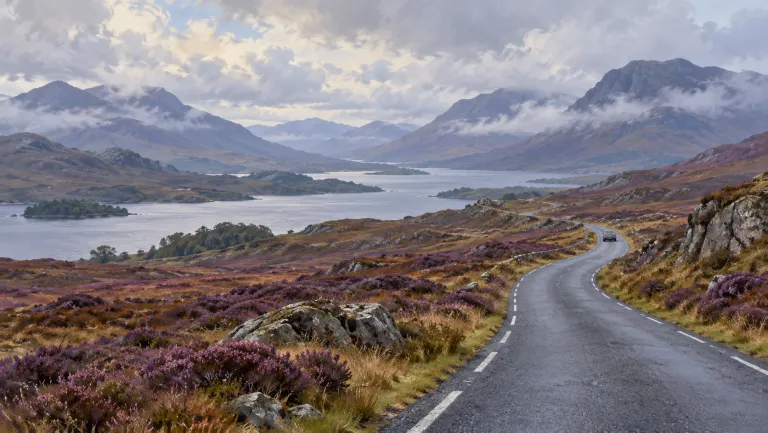
Scottish Highlands road trip: make room for the road
An eight-night route through Glencoe and Skye, with simple driving and weather checks. Updated 14 October 2026.
Quick answer: For a first Highlands road trip, plan fewer stops than the map seems to allow. An eight-night shape is one arrival night near Glasgow, two nights around Glencoe or Fort William, three on Skye, one toward Inverness or Loch Ness, and a final night near your departure point. If you only have a week, leave out the Inverness leg. Drive times are estimates, not promises; narrow roads, stops and weather change the day.
| Nights | Base | Main reason | Check before travel |
|---|---|---|---|
| 1 | Near arrival airport | Rest and collect the car | Rental desk hours and late-arrival plan |
| 2–3 | Glencoe or Fort William area | Short walks and mountain scenery | Trail conditions, weather and parking |
| 4–6 | Isle of Skye | Explore one part of the island each day | Single-track roads and booked accommodation |
| 7–8 | Inverness area, then departure base | Break the return into safe stages | Current roads and flight buffer |
Choose a Highlands trip, not a race around Scotland
The Highlands, Skye, Loch Ness and the North Coast 500 are different trips. Each one deserves time. If a route promises all of them in a short week, count the hours outside the car before you buy. A place name on a schedule is not the same as a visit. On your first trip, choose two main regions and give yourself a little freedom to respond to weather.
VisitScotland’s safety guidance reminds visitors that Scotland drives on the left and has narrow roads with passing places. A map may show a short distance, but a slow road plus photo stops, livestock or a queue can fill an afternoon. Plan one main drive or one main activity per day. You will see more if you are not trying to collect distant viewpoints before dark.
Arrival: do not turn a long flight into a hard drive
If you arrive from overseas, stay near your arrival city or choose a gentle first drive. Check the rental desk closing time, licence requirements, deposit, insurance excess and the car’s fuel policy. Make sure the person who will drive is included on the rental agreement. Use the first evening to buy snacks, test navigation and understand the parking rules around your hotel.
Before leaving the rental lot, photograph any existing damage and learn how to use the lights, wipers and demister. Driving on the left while tired is a poor introduction to winding roads. If someone in your group is nervous about a rental car, a guided Highlands tour or rail-and-bus trip may fit better than forcing a self-drive plan.
Glencoe and Fort William: choose one walk well
Two nights around Glencoe or Fort William allow an arrival day and a full local day. Choose a walk that suits your group’s fitness and the forecast. Check the official local or land-manager information for closures and parking. A dramatic mountain backdrop does not make every trail safe in bad weather. Have a lower-level walk or indoor option ready if conditions turn.
Keep food and fuel practical. A picnic stop is enjoyable when you park legally and take rubbish away. Do not block a gate, passing place or narrow verge for a photograph. If you need step-free access, ask about the exact surface and toilets at a chosen visitor site; “scenic viewpoint” does not describe its path.
Allow spare time between Glencoe and Skye. The journey can be memorable, but it should not be packed with multiple timed bookings. Decide whether to cross the Skye Bridge or use a ferry route, then verify the current timetable and vehicle-booking rules if you choose the ferry. Neither choice is inherently better for every route.
Three nights on Skye: one area per day
Skye is not a quick detour. Staying three nights gives you two full days plus arrival time. Choose one part of the island each day and decide where you will eat before setting off; services may be spread out. Popular stops can be crowded and parking limited. If a car park is full, use another safe stop rather than parking across the road or on fragile ground.
On single-track roads, passing places allow vehicles to meet or let faster traffic pass. VisitScotland explicitly says not to park in them. Be patient, pull in where appropriate and do not let the car behind you push you into driving faster than conditions allow. Watch for animals and people. Check Traffic Scotland for trunk-road incidents and relevant local road information before a long drive.
Choose one paid outing, such as a boat trip or guided walk, only after reading the weather and cancellation policy. Not every famous landscape needs a ticket. A calm day of short walks, viewpoints and local food can be the best part of the island. Do not assume a highly photographed spot will be empty or safe to approach in poor conditions.
Inverness or a shorter return?
If you have eight or more nights, an Inverness-area stop can break up the return and give time for a different landscape. If you have seven nights or less, consider driving back by a route that lets you sleep closer to your departure airport, skipping Inverness. Do not add Loch Ness simply because the name is famous; ask whether that drive gives you something you actually want to do.
Keep the last night close enough to the airport or station to make departure calm. Rental-car return, fuel, baggage and security all take time. A nonrefundable early flight after a very long final drive leaves little room for a road closure or illness.
Check the road, weather and walking plan daily
Traffic Scotland provides live trunk-road incidents and planned roadworks. Use it before each significant drive, then follow roadside signs and any local authority instructions. For walks, check weather and a current route source. If conditions are poor, choose a shorter path or an indoor plan rather than treating an old itinerary as an obligation.
Driving in darkness and heavy rain on an unfamiliar single-track road is more tiring than a daytime city drive. Give yourself a comfortable arrival time. A longer map route can be the better choice if it uses roads you feel confident on. Keep offline maps and an emergency contact method, but do not assume phone signal will be available in every remote place.
Outdoor access comes with responsibility
Scotland’s Outdoor Access Code allows responsible access to much land and inland water, but it has exceptions. It does not grant a right to drive or park a motor vehicle wherever you like. Respect homes, farmland, wildlife and signs. Leave gates as you find them and take rubbish away. If a path is closed or wildlife is disturbed, change your plan.
Camping and parking are different matters. Do not assume that because responsible lightweight camping can be allowed in some places, a campervan may stop overnight anywhere. Check local restrictions, designated sites and the vehicle company’s rules. This is better for residents, the landscape and your own peace of mind.
Budget for the whole route
Compare flights, rental car, insurance, fuel, parking, accommodation, meals, ferries if used, and paid activities. Add a small reserve. A low-cost room far from your chosen sights can add daily driving and fuel. A one-way car rental may have a fee. Read the final checkout total and cancellation terms rather than comparing only the first price shown.
Accommodation on Skye can be limited on popular dates, so secure a suitable base once the route is realistic. Keep weather-dependent tours flexible when possible. Choose a few meals or stops you care about, but leave room for a small place you find on the way. The trip should feel like travel, not a timed checklist.
A simple booking order
- Pick your main two regions and decide how many full days each deserves.
- Choose flights and first/last nights with a safe driving buffer.
- Compare the car’s full terms and a route without a car.
- Book limited accommodation in the bases you chose.
- Add one or two important activities after checking cancellation rules.
- Recheck roads, weather and local access before each day.
Quick questions
Is Skye possible as a day trip from Glasgow?
It would be a very long drive with little usable time. Stay on or near the island if Skye is a main goal.
Do I have to drive the North Coast 500?
No. It is a separate long-distance route. Glencoe and Skye already make a rewarding first Highlands trip.
Can I park in a passing place for photos?
No. Passing places need to stay clear so vehicles can use narrow roads safely.
Where should I check current road conditions?
Start with Traffic Scotland for trunk roads, then check relevant local notices and the weather for your actual route.
Leave a Reply